



















Are Linen Curtains Worth It?

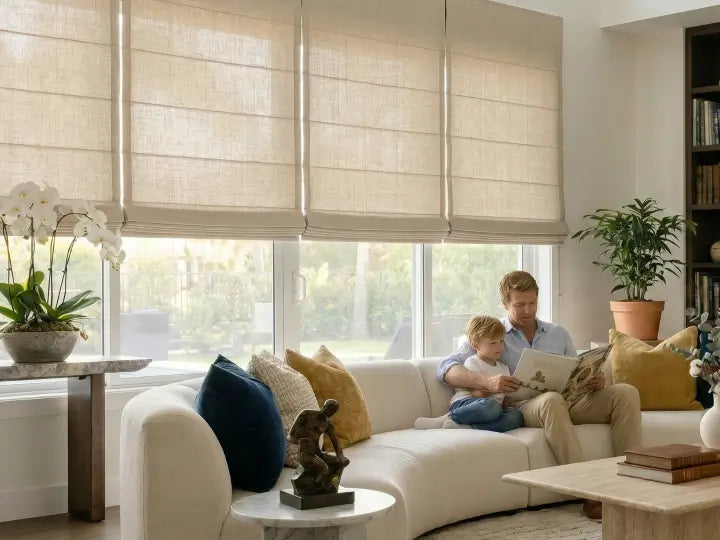
Search “linen curtains” and you’ll see the same words again and again: airy, natural, timeless, quiet luxury. But linen panels usually cost more than basic polyester or cotton. So are linen curtains actually worth the investment—or just good marketing?
Short answer: for many homes, high-quality linen curtains are one of the most impactful “upgrades per dollar” you can make, especially if you care about natural materials, long-term durability, and a calm, elevated look. But they’re not perfect for every room or lifestyle.
In this guide, we’ll break down:
-
What makes linen different from other curtain fabrics
-
The real benefits (with evidence, not just adjectives)
-
The drawbacks people don’t always mention—and how Freshine solves them
-
Where linen curtains work best in your home
-
A step-by-step checklist for choosing the right Freshine linen curtains
What Exactly Are Linen Curtains?
Linen is a natural fiber made from the flax plant. It has been used for thousands of years in textiles because it’s:
-
Strong and long-lasting
-
Naturally breathable
-
Comfortable across seasons
Research from textile specialists shows that linen is one of the strongest natural fibers and can last for many years without showing wear, especially compared with many synthetic fabrics. (By Mölle)
Freshine’s linen collections combine this natural base with modern construction:
-
Pure or blended linen fabrics for the right balance of drape, softness, and durability (Freshine)
-
Options from semi-sheer linen to lined or blackout linen drapes
-
Available as custom sizes, including extra-long and extra-wide panels for tall windows and large walls of glass (Freshine)
7 Reasons Linen Curtains Are (Usually) Worth It
1. Natural, breathable, and comfortable year-round
Linen has an open, breathable weave that lets air move through the fabric. Studies and specialist brands note that linen helps regulate temperature, feeling cool in summer and warm in winter thanks to flax’s natural thermoregulating properties. (By Mölle)
For curtains, that translates to:
-
Less “stuffy” feeling compared with some heavy synthetics
-
Softer daylight and reduced glare without blocking all light
-
More stable room comfort when combined with a suitable lining
Freshine leans into this with linen curtains designed for living rooms, bedrooms, dining rooms, and kitchens, often in light-filtering or semi-sheer constructions that keep spaces bright but not harsh. (Freshine)
2. Durable and long-lasting
Linen fibers are naturally strong. Textile sources highlight that well-made linen curtains can last for years without showing obvious signs of wear, making them a long-term buy rather than a fast-fashion swap. (By Mölle)
Freshine’s heavyweight blends—like the Elara Linen collection, which uses a linen-polyester mix around 335 gsm—combine the strength of linen with the stability and drape of performance fibers, creating panels that hold their shape and handle daily use well. (amazon.com)
3. Eco-friendlier than many alternatives
Linen is generally considered more eco-friendly than many synthetic fabrics:
-
Flax typically requires less water and fewer pesticides than cotton. (Linen Couture)
-
Linen is biodegradable and derived from a renewable plant source.
Freshine goes a step further by using fabrics that are OEKO-TEX® Standard 100 certified, meaning they’re independently tested to be free from harmful substances—a plus if you’re sensitive to chemicals or designing a child’s room. (Freshine)
4. Timeless, “quiet luxury” aesthetics
Design blogs and interior designers consistently praise linen curtains for how they soften a space without feeling fussy. Linen:
-
Adds texture and depth, even in solid neutral colors
-
Works across styles: minimalist, coastal, Scandinavian, farmhouse, boho, traditional (Aura Curtains)
-
Ages gracefully; slight slubs and variations are part of its charm
Freshine’s linen collections are built around versatile neutrals—white, cream, oatmeal, greige, soft gray, and deeper shades like navy—so they play nicely with existing furniture, rugs, and art instead of fighting them. (Freshine)
5. Good for both light and privacy—if you choose the right opacity
Alone, a pure linen panel is usually light filtering, not blackout. But paired with the right lining, linen can go from sheer to room-darkening or nearly blackout.
Freshine offers five lining types (privacy, room darkening, blackout, etc.), so you can match opacity to each room:
-
Living rooms: sheer or semi-sheer linen for daytime, layered with lined panels if needed
-
Bedrooms: linen face fabrics with room-darkening or blackout linings
-
Dining rooms & offices: light-filtering linen with privacy lining to cut glare and views in at night (Freshine)
6. Energy & comfort benefits when correctly sized
While linen itself isn’t an “insulation miracle,” full-coverage lined linen curtains can help with energy and comfort. The U.S. Department of Energy notes that properly used draperies can:
-
Reduce winter heat loss through windows by around 10% or more, depending on construction and use (Freshine)
-
Cut summer heat gain significantly when closed on sun-exposed windows
When you scale that across a wall of windows, correctly measured floor-to-ceiling, wall-to-wall linen curtains with lining can noticeably improve comfort and reduce drafty or overheated zones.
Freshine’s “How to Measure” guide explicitly recommends:
-
Mounting rods close to the ceiling
-
Extending rods 6–15 inches beyond the window on each side
-
Planning stack-back so curtains can fully cover glass when closed (Freshine)
Those design choices are key to getting real thermal benefit from any fabric—including linen.
7. Easy to style with designer-approved proportions
Designers widely agree that curtains should “kiss” the floor or hover just above it for a polished look, and that panels should be 2–2.5× the window width for proper fullness. (Southern Living)
Because Freshine offers custom sizing and a guided Measurement Tool, it’s much easier to get those proportions right:
-
Length options for 8', 9', 10'+ ceilings
-
Extra-wide panels for large windows, so you’re not piecing together many narrow store-bought panels
-
Built-in fullness recommendations based on your rod length (Freshine)
Result: your linen curtains look intentional and “designer”, not like they were squeezed into whatever length the big-box store happened to have.
The Downsides of Linen Curtains (and How Freshine Fixes Them)

1. Wrinkling & “lived-in” texture
Pure linen wrinkles more easily than polyester or some cotton blends. For some people, that relaxed, rumpled texture is a feature; for others, it feels too casual.
Solutions:
-
Choose linen blends (like Freshine’s Elara Linen) that combine the look of linen with the stability of polyester. (amazon.com)
-
Use Thermal Memory Shaping, a Freshine technique that sets pleats so panels hang in soft, even folds, reducing day-to-day fuss. (Freshine)
-
Keep a handheld steamer for quick touch-ups after installation.
2. Higher upfront cost
Linen simply costs more to produce than many synthetics, and good quality linen curtains are rarely “cheap”.
Why many buyers still feel it’s worth it:
-
Longevity: strong fibers + timeless style = fewer replacements over time. (By Mölle)
-
Visual impact: swapping plastic-feeling panels for linen often has the same visual impact as changing a big piece of furniture.
-
Customization: Freshine’s pricing is designed to keep custom linen more accessible than many high-end workrooms. (Freshine)
3. Humidity considerations
Linen is breathable but, as a natural fiber, it can absorb moisture. In very humid, poorly ventilated rooms, any natural fabric (linen or cotton) may be more prone to mildew if curtains stay damp. (Best Buy Window Treatment)
Solutions:
-
In bathrooms or laundry rooms, consider polyester or blended fabrics from Freshine’s polyester collections instead. (Freshine)
-
Ensure good ventilation and occasional sunlight on linen curtains in humid climates.
-
Follow care recommendations; many linen and linen-blend curtains are machine-washable on gentle, but always check the label. (The Spruce)
Linen vs Other Curtain Fabrics: When to Choose What
Freshine doesn’t only sell linen—there are also velvet, cotton, polyester, chenille, jacquard, and more. (Freshine)
Here’s a quick comparison:
-
Linen curtains
-
Best for: living rooms, bedrooms, dining rooms, home offices
-
Feel: airy, natural, textured, upscale
-
Key strengths: breathability, versatility, timeless style
-
-
Velvet curtains
-
Best for: media rooms, formal living rooms, cozy bedrooms
-
Feel: rich, dramatic, light-absorbing
-
Key strengths: room darkening, sound dampening, warmth (Freshine)
-
-
Cotton curtains
-
Best for: casual spaces, kitchens, kids’ rooms
-
Feel: soft, familiar, easy to care for
-
Key strengths: approachable price, easy maintenance (Freshine)
-
-
Polyester curtains
-
Best for: high-humidity areas, rentals, and low-maintenance setups
-
Feel: varies from matte to shiny depending on weave
-
Key strengths: durability, wrinkle resistance, easy cleaning (Freshine)
-
In many homes, a smart mix—linen in main living spaces, velvet or blackout blends for bedrooms, polyester for utility spaces—offers the best balance of aesthetics, comfort, and practicality.
Where Linen Curtains Work Best (Room-by-Room)
Living Room
Why linen works:
-
Filters harsh daylight into a soft glow
-
Adds texture without feeling heavy
-
Pairs well with wood, stone, leather, and modern furniture
Try: semi-sheer or lined linen living room curtains from Freshine, sized floor-to-ceiling with 1.5–2× fullness for a calm, tailored backdrop. (Freshine)
Bedroom
If you’re light-sensitive, linen on its own may be too translucent—but linen + lining is ideal:
-
Linen face fabric for texture and style
-
Room-darkening or blackout lining for sleep quality and privacy (Freshine)
Freshine’s blackout and room-darkening linings can be added behind linen fronts so you don’t have to choose between aesthetics and function.
Dining Room
Dining rooms benefit from soft, flattering light and a bit of theater. Linen works well because it:
-
Warms up formal furniture
-
Reduces glare in the evening
-
Can be lined to prevent the room from feeling like a “fishbowl” at night (Freshine)
Home Office
For video calls and screen work, linen curtains:
-
Give a non-distracting, textured backdrop
-
Cut window glare without plunging the room into darkness
-
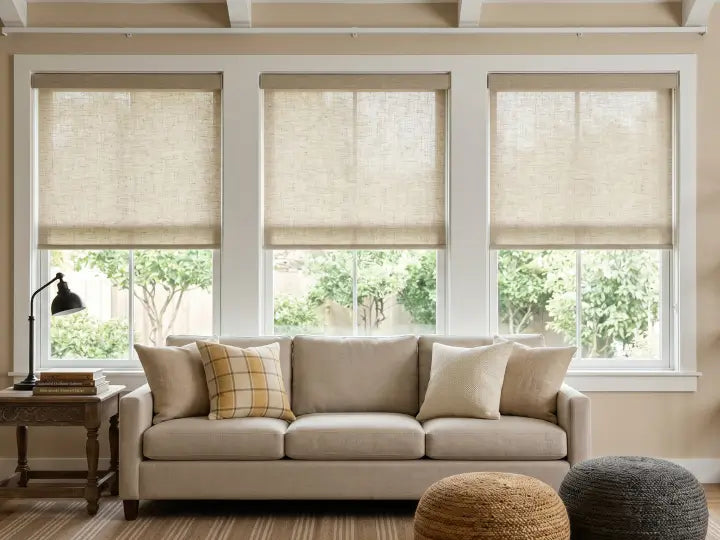
Work nicely layered with shades (Freshine also offers Roman, bamboo, cellular, and roller shades). (Freshine)
Open-Plan Spaces
In open-plan living/dining/kitchen areas, repeating linen curtains:
-
Visually tie spaces together
-
Soften echoes and sound reflections
-
Make large walls of glass feel intentional and finished (The White Window Curtains)
How to Choose the Right Freshine Linen Curtains: A Quick Checklist
If you’re leaning toward linen, here’s a clear process to follow.
1. Decide how much light and privacy you need
For each room, ask:
-
Do I need complete darkness, or just less glare?
-
Is privacy important during the day, at night, or both?
Then match to Freshine options:
-
Sheer/semi-sheer linen → soft daylight, minimal privacy
-
Linen with privacy or room-darkening lining → balance of light and privacy
-
Linen with blackout lining → bedrooms, nurseries, media rooms (Freshine)
2. Pick your color family
Safe bets that work with almost anything:
-
White, cream, ivory
-
Oatmeal, greige, taupe
-
Soft gray or warm stone tones
Freshine’s linen collections focus on these “premium neutrals” so they fit modern U.S. homes without clashing with existing finishes. (Freshine)
3. Choose a header style
Header style affects both look and stack:
-
Pinch pleat / Euro pleat: classic, tailored, works beautifully with linen
-
Flat panel / ripple fold: streamlined, modern, great on ceiling tracks
-
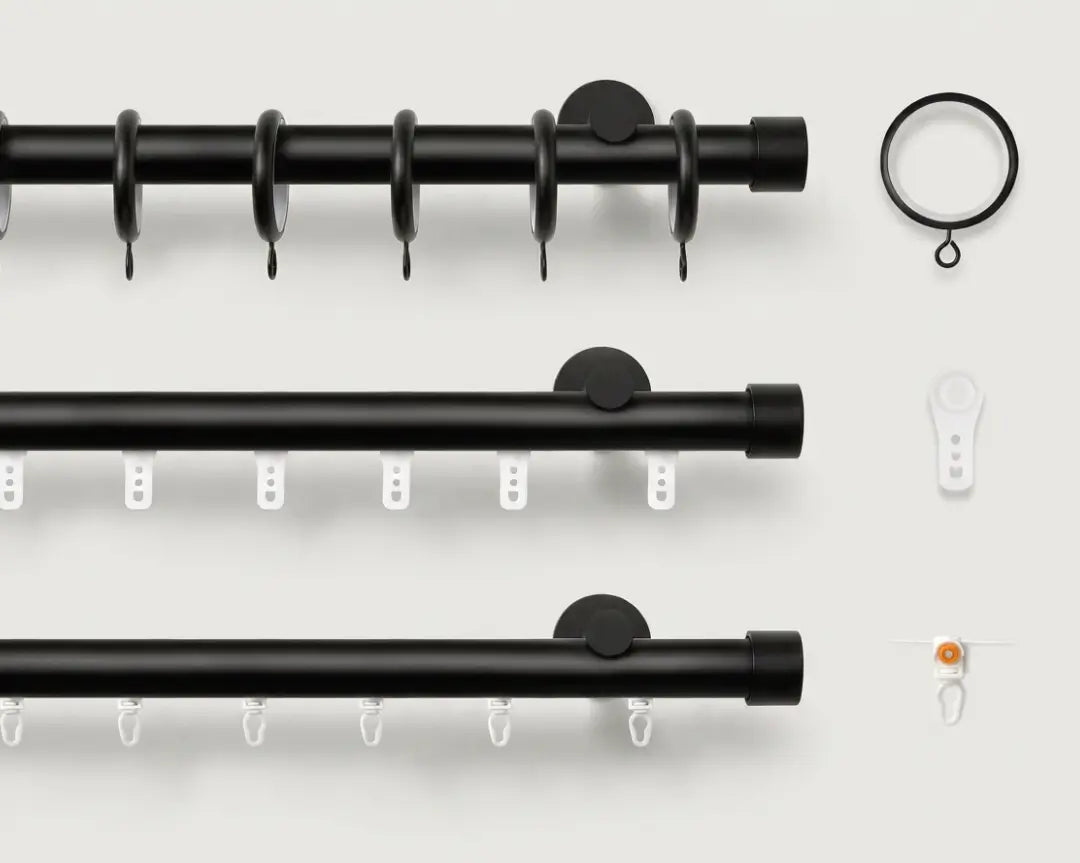
Rod pocket / grommet: more casual; designers increasingly favor pleats or ripplefold over grommets for a more current look (Freshine)
Freshine’s Header Style Guide walks through each option with visuals so you can see what fits your room best. (Freshine)
4. Get the measurements right (or let Freshine do it for you)
Use Freshine’s Measurement Tool:
-
Enter rod or window width
-
Add recommended extra width for stack (often 6–15 inches each side)
-
Measure from rod/track to floor for length (aim for “kissing” the floor) (Freshine)
If you’re unsure, you can:
-
Use the tool’s guided steps, or
-
Use the Free Design Service—upload a photo of your window, share your preferences, and Freshine’s designers will send tailored size and product suggestions. (Freshine)
Why Many Homeowners Choose Freshine for Linen Curtains
Plenty of brands sell linen curtains. Freshine stands out by combining:
-
True customization: any size, any fabric—ideal for tall ceilings, wide windows, and tricky layouts. (Freshine)
-
Helpful tools & services:
-
Free Design Service
-
Easy online Measurement Tool
-
Fabric swatches with free shipping, so you can see and touch fabrics before you commit (Freshine)
-
-
Consumer-friendly policies, including a free replacement promise when you end up with the wrong color, style, or size. (Freshine)
Combine that with OEKO-TEX-certified fabrics and a wide linen range, and you get a “sweet spot” between full-service designer workrooms and generic off-the-shelf panels.
Bottom Line: Are Linen Curtains Worth It?
If you:
-
Want a calm, elevated, natural look
-
Care about breathable, eco-conscious materials
-
Prefer long-lasting pieces over quick fixes
…then yes, linen curtains are absolutely worth it—especially when you get the size, lining, and header style right.
If you’re ready to explore options:
-
Browse Freshine’s Linen Curtains Collection for styles, colors, and light levels. (Freshine)
-
Use the Measurement Tool or How to Measure Guide to dial in the fit. (Freshine)
-
Or take the pressure off and start with Freshine’s Free Design Service—send a photo, share your style, and get a custom linen curtain plan back in your inbox. (Freshine)
That way, you’re not just buying “linen curtains”—you’re investing in window treatments that are tailored to your home, your light, and the way you actually live.