


















Remote Work in 2025: How to Create the Perfect Home Office for Productivity and Well-Being

Remote work is no longer a temporary trend—it’s a permanent shift in how Americans live and work. According to a 2023 Gallup survey, 29% of U.S. employees work exclusively from home, while another 52% work in hybrid arrangements. As we move deeper into 2025, the home office has become a cornerstone of modern life, blending functionality, comfort, and design.
But working from home successfully requires more than just a laptop on the dining table. It’s about creating an environment that supports focus, productivity, and mental health. In this comprehensive guide, we’ll explore research-backed strategies and design insights to help you craft the ultimate home office setup in 2025.
Why Your Home Office Matters
Studies consistently show that your work environment influences performance and well-being. A Stanford study found that remote workers were 13% more productive than their in-office counterparts—largely due to fewer distractions and a personalized work environment. But without proper design, remote work can also lead to burnout, loneliness, and physical strain.
Your home office isn’t just a workspace—it’s a productivity tool, a mental health safeguard, and an investment in your career.
Step 1: Prioritize Ergonomics
The foundation of any productive home office is ergonomics.
-
Desk and Chair: Choose a chair with lumbar support and adjustable height. Your desk should allow your elbows to rest at 90 degrees.
-
Screen Position: Monitors should be at eye level to reduce neck strain.
-
Keyboard & Mouse: Ergonomic models prevent wrist pain and repetitive strain injuries.
The American Chiropractic Association notes that proper ergonomics can reduce musculoskeletal disorders by up to 60%.
Step 2: Master Natural and Artificial Lighting
Lighting has a profound effect on focus and mood.
-
Natural Light: A study published in the Journal of Clinical Sleep Medicine found that workers with more exposure to natural light reported better sleep and higher quality of life.
-
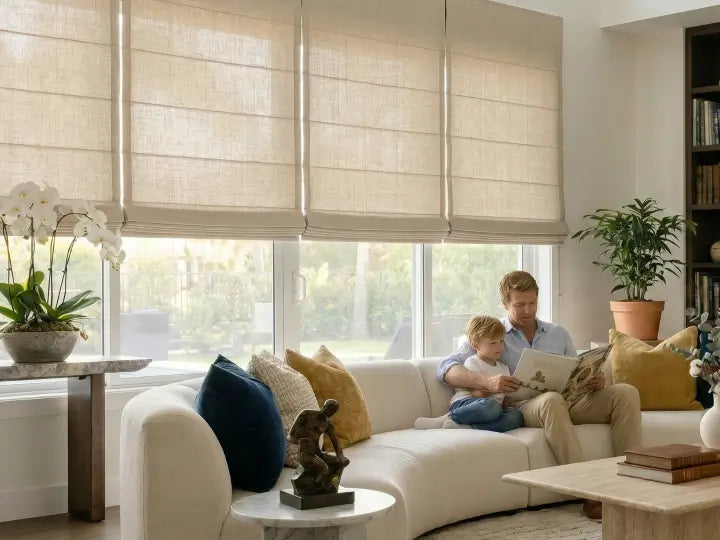
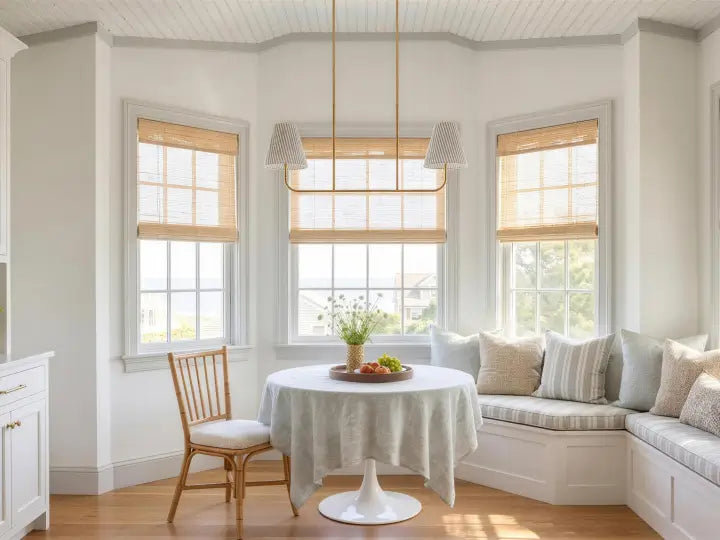
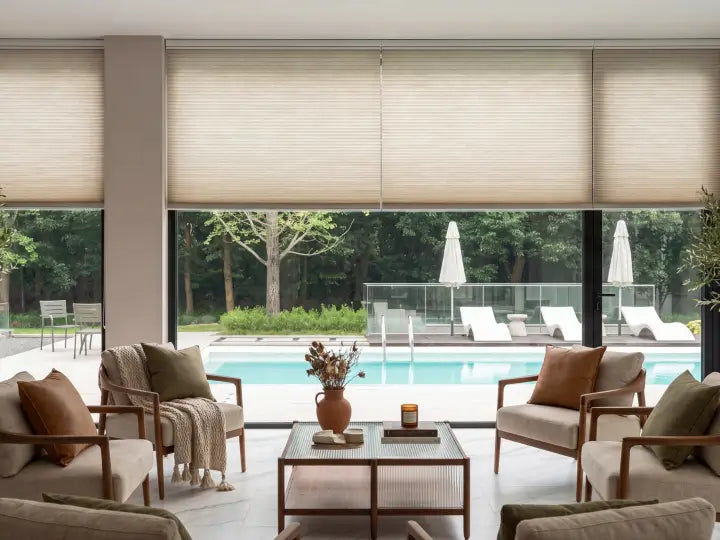
Curtains & Window Treatments: Sheer curtains maximize daylight while reducing glare. Blackout options may be needed for video calls or focus.
-
Task Lighting: Adjustable desk lamps with warm tones reduce eye strain.
For design inspiration, see The Psychology of Color: Choosing Curtains that Make You Feel Good.
Step 3: Choose Productivity-Boosting Colors
Color psychology can shape how you feel and work:
-
Blue: Promotes calm and focus—ideal for deep work.
-
Green: Restorative and stress-reducing, perfect for long hours.
-
Yellow: Inspires creativity and energy, great for brainstorming zones.
According to a study from the University of British Columbia, blue environments boost creativity, while red tones enhance attention to detail.
Step 4: Minimize Distractions
Distraction is the enemy of productivity. To control your environment:
-
Curtains for Sound Absorption: Heavy curtains help dampen street noise.
-
Declutter: A Princeton University study found clutter reduces the brain’s ability to focus.
-
Tech Tools: Use apps like Focus@Will or Noise-Canceling headphones for deep concentration.
Step 5: Incorporate Biophilic Design
Biophilic design, or integrating natural elements, improves both mood and performance.
-
Plants: NASA research shows plants can reduce indoor air pollutants and lower stress.
-
Natural Materials: Linen curtains, wooden desks, and stone accents create calm.
-
Outdoor Views: Position your desk near a window if possible.
Step 6: Balance Work and Wellness
Remote work blurs the line between personal and professional life. Protecting well-being is essential.
-
Break Areas: Designate a corner with a cozy chair for breaks.
-
Movement Reminders: Use standing desks or apps that prompt you to stretch.
-
Curtains as Dividers: In small spaces, curtains can separate your work zone from living areas—helping maintain work-life boundaries.
Step 7: Invest in Technology Wisely
Smart tools can streamline your workflow.
-
High-Speed Internet: Non-negotiable in 2025.
-
Smart Curtains & Lighting: Automate light control for focus during the day and relaxation at night.
-
Dual Monitors: Research from the University of Utah found dual monitors increase productivity by up to 44%.
Step 8: Personalize Your Workspace
A home office should reflect your personality while supporting productivity.
-
Artwork that inspires, not distracts.
-
Family photos for motivation.
-
Textiles like rugs or curtains to soften the space.
According to a study in the Journal of Environmental Psychology, workers who personalize their space report higher job satisfaction.
Conclusion
The home office of 2025 isn’t just a desk and chair—it’s a carefully curated environment that enhances productivity, health, and happiness. By focusing on ergonomics, lighting, color psychology, biophilic design, and smart technology, you can transform your workspace into a true sanctuary for remote work success.
FAQs: Home Office Design for Remote Work in 2025
1. Do I need an expensive chair for ergonomics?
Not necessarily—what matters is lumbar support, adjustable height, and proper posture.
2. How can curtains improve my home office?
They control light, reduce glare, and even absorb sound, making your workspace calmer and more productive.
3. What’s the best color for productivity?
Blue is best for focus, green for balance, and yellow for creativity.
4. Can plants really improve work performance?
Yes—studies show plants reduce stress and increase productivity in office settings.
5. How do I separate work and home life in a small apartment?
Use curtains or room dividers to create a distinct workspace.
6. Is smart technology worth it for home offices?
Yes—smart lighting and automated curtains can reduce distractions and support focus.
7. How often should I take breaks when working from home?
Experts recommend a 5-10 minute break every hour to stretch, hydrate, and reset your mind.