





















Child-Safe Curtains: How to Choose Window Treatments That Protect Kids and Create a Safer Home

When parents think about childproofing, they usually picture cabinet locks, outlet covers, or stair gates. But one hidden hazard often gets overlooked: curtains and window treatments.
According to the U.S. Consumer Product Safety Commission (CPSC), thousands of children are injured each year in accidents involving cords, blinds, and window coverings. Curtains that aren’t designed with safety in mind can pose risks ranging from strangulation hazards to flammability issues.
In this article, we’ll dive into how to choose child-safe curtains that balance safety, function, and style. From fabric selection to hardware considerations, you’ll find everything you need to create a beautiful yet family-friendly home.
Why Curtain Safety Matters for Families
Children are naturally curious. They tug on fabrics, hide behind drapes, and pull at dangling cords without understanding the risks.
-
Strangulation risks: Cords from blinds or curtain pulls are a major hazard for toddlers.
-
Choking hazards: Decorative tassels, beads, or loose parts can detach and pose risks.
-
Fire hazards: Curtains made of highly flammable fabrics can be dangerous in kitchens or near heaters.
-
Falling risks: Kids pulling heavy drapery rods can cause them to collapse.
The American Academy of Pediatrics (AAP) emphasizes the importance of creating safe environments where children cannot access dangerous items — and curtains often fall into this overlooked category.
Features to Look for in Child-Safe Curtains
When shopping for family-friendly curtains, keep these factors in mind:
1. Cord-Free Designs
Avoid any curtains that use cords for opening or adjusting. Instead, opt for:
-
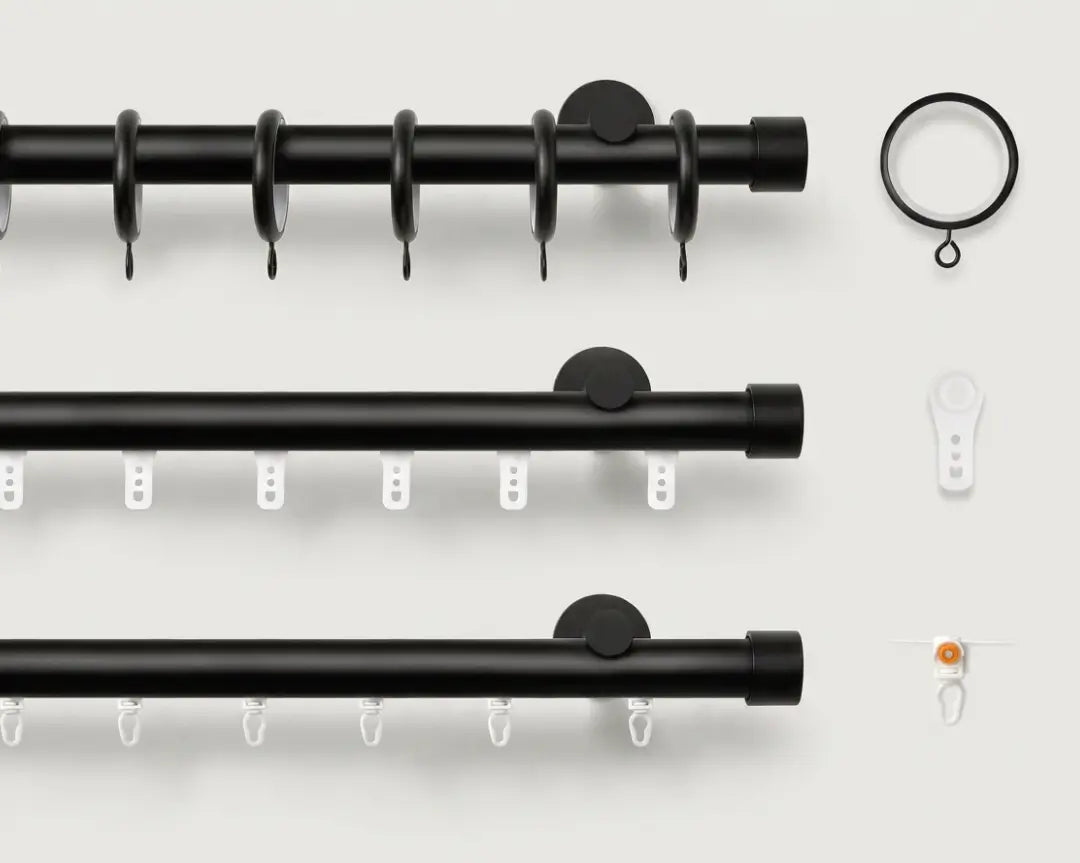
Rod-pocket curtains (simple slide-on designs)
-
Tab-top curtains
-
Motorized curtains controlled via remote or app
👉 See options in the Freshine Modern Curtain Styles collection.
2. Flame-Resistant Fabrics
The National Fire Protection Association (NFPA) recommends flame-resistant textiles for homes with children. Look for curtains labeled as:
-
Flame-retardant (FR)
-
Inherently flame-resistant (IFR)
While no fabric is completely fireproof, these options significantly reduce risks.
3. Easy-to-Clean Materials
Children spill, smear, and stain everything. Select washable fabrics like cotton, polyester blends, or microfiber. Avoid dry-clean-only curtains in kids’ rooms — they’re impractical for busy families.
Explore cleaning tips in the Freshine Curtain Buying Guide.
4. Sturdy, Safe Hardware
-
Use anchored curtain rods that can withstand tugs.
-
Avoid sharp or pointed finials.
-
Choose brackets that lock into studs for added security.
5. Shorter Curtain Lengths in Children’s Rooms
Floor-to-ceiling drapes are elegant but not always safe for kids’ bedrooms. Shorter curtains that stop at the window sill eliminate tripping and pulling risks.
Child-Safe Curtain Styles by Room
Bedrooms
-
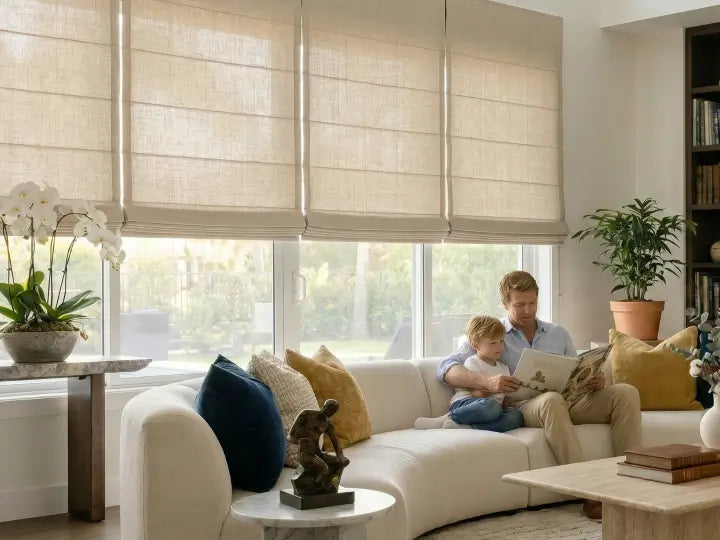
Blackout curtains: Ensure better sleep schedules for infants and toddlers while staying cord-free.
-
Thermal curtains: Maintain temperature for better comfort.
Living Rooms
-
Layered curtains: Sheers paired with heavier panels allow flexibility.
-
Tie-backs: Use fabric tie-backs instead of hooks or cords.
Playrooms
-
Bright, colorful fabrics: Stimulate creativity while being washable.
-
Stain-resistant options: Polyester or microfiber stand up to messy play.
Check out family-friendly designs in the Freshine Curtain Collection.
Common Mistakes Parents Make
-
Using corded blinds with curtains → doubles the risk.
-
Choosing decorative tassels or beads → choking hazards.
-
Hanging curtains too close to heaters → increases fire risk.
-
Using lightweight rods → more likely to collapse under pressure.
Expert Tips for Safer Homes
The non-profit Safe Kids Worldwide offers guidelines to make homes safer:
-
Anchor all furniture and rods to prevent tipping.
-
Keep cribs and beds away from windows.
-
Regularly inspect curtains for loose threads or damaged parts.
Following these recommendations ensures curtains enhance your home without endangering your children.
Style Meets Safety: You Don’t Have to Compromise
Many parents fear that choosing child-safe curtains means sacrificing style. That’s not true anymore. Today’s manufacturers offer:
-
Cordless blackout curtains for chic, modern bedrooms
-
Playful patterned curtains that are also washable
-
Motorized smart curtains that are both stylish and safe
The key is knowing where to look — and Freshine’s Modern Curtain Styles provide plenty of inspiration.
FAQ
Q: Are blackout curtains safe for kids?
A: Yes, as long as they are cordless and securely installed. They also help maintain healthy sleep patterns.
Q: What fabrics should I avoid in children’s rooms?
A: Avoid delicate silks or dry-clean-only fabrics. Choose durable, flame-resistant, and washable options.
Q: Can motorized curtains be safe for children?
A: Absolutely. They remove cords entirely and can be programmed for convenience.
Q: How often should I check curtain hardware in kids’ rooms?
A: Inspect every 3–6 months for loose rods, brackets, or tie-backs.
Final Thoughts
Curtains are more than decorative backdrops — they’re part of your family’s safety environment. Choosing child-safe curtains means prioritizing cordless designs, durable fabrics, and secure hardware, while still embracing style.
By following recommendations from experts like the CPSC, AAP, and Safe Kids Worldwide, you can create a home that is both safe and beautiful.
👉 Explore the Freshine Curtain Buying Guide to find safe, stylish solutions for every room.