



















A Guide to Choosing Healthy Curtains for Families

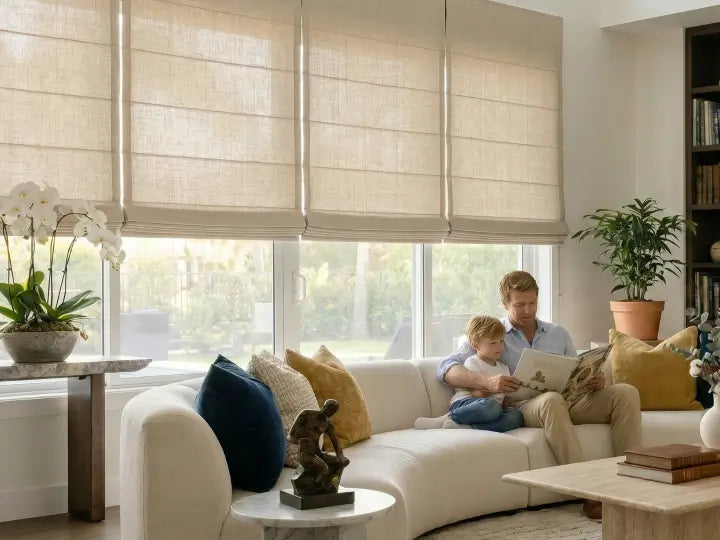
For families with children, babies, or sensitive skin, choosing healthy curtains is more than a design decision—it’s part of creating a safer indoor environment. Curtains are large textile surfaces that stay close to where children sleep, play, and breathe, so materials, finishing methods, and emissions all matter. Natural fabrics like linen are especially well-suited for family homes thanks to their breathability, softness, and minimal chemical processing. For other fabrics, modern thermal memory shaping uses controlled heat and steam to stabilize pleats and drape, helping reduce residual odors and improve dimensional stability when paired with low-emission materials and proper ventilation. The goal isn’t just beautiful curtains, but peace of mind for everyday family living.
What Is Thermal Memory Shaping (Heat Setting)?
Thermal memory shaping, sometimes called heat setting or pleat memory, is a controlled finishing step that uses heat and/or steam—often with pleat molds, light tension, timed dwell, and cooling—to help drapery keep its folds and hang evenly. The effect depends on fiber type. Thermoplastic fibers like polyester respond strongly because heat lets polymer chains relax and reorient before cooling “locks” the shape. Natural fibers such as linen don’t gain permanent polymer memory; instead, careful pressing, construction, and conditioning help them hold an elegant, trained drape over time.
For readers who want a visual overview of professional programs and pleat forms, see this neutral process explainer on pleat‑retention finishing from our team: Thermal Memory Shaping for Curtains. Disclosure: Freshine Curtains is our product.
How the Process Works — And Why Fiber Type Matters
At a high level, fabric is formed into its target shape (for example, pinch pleats placed into a mold or a ripple fold set on a rack), exposed to controlled heat or saturated steam for a specified time, then cooled and conditioned. On thermoplastics such as polyester, the heat step temporarily softens amorphous regions (above the glass transition temperature but below melting), allowing chains to relax; cooling fixes the new configuration, improving crease recovery and dimensional stability. Industry explainers describe common polyester heat‑setting windows in hot‑air stenters on the order of roughly 170–210°C with short dwell times, though exact parameters vary by construction and equipment and are not consumer safety limits. See the background overviews in Textile Learner on heat‑setting process parameters and this polyester heat‑setting guide for mechanism context.
Linen (a cellulosic, non‑thermoplastic fiber) behaves differently. It benefits from high‑quality pressing, seam and header construction, and consistent hanging/conditioning rather than true polymer “memory.” Expect refinement and crispness that can relax slowly with time or laundering; periodic light steaming and careful handling will keep linen looking composed.

Polyester vs Linen at a Glance
-
Polyester: thermoplastic; responds strongly to heat setting; retains pleats through handling and gentle care.
-
Linen: non‑thermoplastic; can be trained via pressing and construction; may relax; requires occasional touch‑up.
What Heat Setting Can and Cannot Do
What it can do
-
Improve pleat retention and overall drape uniformity.
-
Enhance dimensional stability so panels hang straighter with fewer ripples.
-
Support appearance after light cleaning and regular handling, especially in synthetics.
What it cannot do
-
It is not designed to remove VOCs, residues, or “detox” a fabric.
-
It does not replace third‑party chemical safety verification.
-
It does not make linen behave like polyester; fiber expectations still apply.
If your primary goal is a nursery with low odors and minimized chemical exposure, focus on source control (choose low‑emitting, verified materials) and room ventilation. The heat‑setting step is appearance‑focused.
Nursery Safety Priorities: Low Emissions and Cordless Operation
-
Ventilation and source control: The U.S. Environmental Protection Agency advises reducing VOC exposure by choosing low‑emitting products and increasing ventilation during and after introducing new items. Opening windows/doors and using fans that vent outdoors can help provide “plenty of fresh air.” See the EPA overview on VOCs and indoor air quality.
-
Material verification: When drapery will be used near infants, look for products covered by OEKO‑TEX STANDARD 100. Product Class I (for items for babies and toddlers) uses the strictest screening among classes. Use Label Check to validate a certificate number or QR code and confirm scope.
-
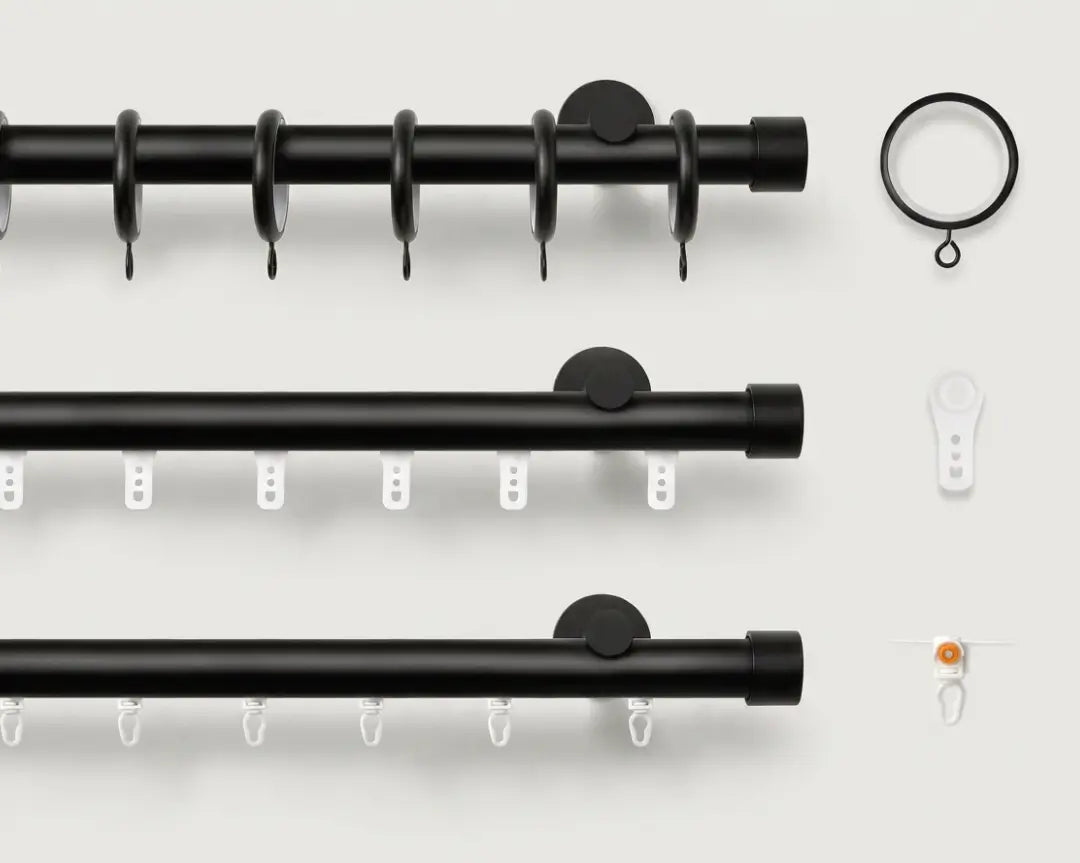
Cordless hardware: Window covering cords pose a strangulation hazard. The U.S. Consumer Product Safety Commission has highlighted this risk, and the market standard ANSI/WCMA A100.1‑2022 drives cordless or inaccessible‑cord designs. For nurseries, choose cordless or motorized operation; do not rely on cord wraps as a substitute. For context on the hazard, see the CPSC’s consumer communication urging cordless choices in their news release.
Verify Before You Hang — OEKO‑TEX Label Check in Three Steps
-
Locate the label: Find the STANDARD 100 certificate number or QR code on the product or product page.
-
Validate: Enter it at OEKO‑TEX Label Check or scan the QR. Confirm validity dates and that the described article matches what you’re buying.
-
Confirm scope: Ensure the certificate covers the relevant components and that the product is assessed under Product Class I when intended for baby‑adjacent use. If anything is unclear, request the full certificate from the seller and cross‑check details.
Pre‑Hang Nursery Checklist (5 Steps)
-
Air and ventilate: Unbox panels in a well‑ventilated space and allow 48–72 hours of airflow before the first nursery sleep when feasible, consistent with EPA guidance on increasing ventilation for new items.
-
Choose cordless/motorized operation: Avoid any free‑hanging cords. Verify your hardware follows the spirit of ANSI/WCMA A100.1‑2022.
-
Verify materials: Use OEKO‑TEX Label Check to confirm certification details and scope for baby‑adjacent use. Ask your seller for the current certificate if needed.
-
Set realistic fiber expectations: Synthetics typically hold memory longer; linen offers a beautiful, breathable drape that benefits from occasional touch‑ups. Pick based on your priorities (e.g., blackout needs, breathability, care).
-
Condition after hanging: Close curtains fully for a day to let pleats “settle,” then operate normally. For linen, light steaming in place can refine folds without harsh chemicals.
Quick Q&A for Parents
-
Will thermal memory shaping curtains smell when new? Some new‑product odor is common across home goods. It varies by materials and packaging. Prioritize verified low‑emitting products and ventilate well before first nursery use, as advised by the EPA.
-
Do I need to wash them before use? Follow the product’s care label. Some lined or structured drapery shouldn’t be machine‑washed. If laundering isn’t recommended, rely on airing/ventilation and gentle in‑place steaming to freshen.
-
Can natural linen be “memory‑set”? Linen doesn’t gain the same polymer memory as polyester. You can achieve a crisp, stable look through skilled pressing, thoughtful header construction (like pinch pleats), and periodic conditioning hangs.
Where to Learn More
-
Process visuals and examples: Thermal Memory Shaping for Curtains. Disclosure: Freshine Curtains is our product.
-
How heat setting supports long drops and care expectations: Heat setting for custom curtains — why pleat memory matters.
-
Child‑safe hardware choices and nursery context: Guide to child‑safe curtains.
-
Standards and authoritative resources: OEKO‑TEX STANDARD 100 overview; OEKO‑TEX Label Check; ANSI/WCMA A100.1‑2022 read‑only standard; CPSC cordless hazard communication; EPA — VOCs and indoor air quality; AAP Safe Sleep.
Written by a textiles specialist focused on window treatments and consumer safety. This article provides general information and is not a substitute for professional or legal advice.