
















Curtains and Sleep: How the Right Window Treatments Can Improve Your Rest and Health

组织
In today’s fast-paced world, quality sleep is often overlooked, yet it remains one of the most important factors for maintaining overall health. According to the Centers for Disease Control and Prevention (CDC), insufficient sleep is linked to chronic conditions such as heart disease, obesity, and depression. Surprisingly, one of the simplest tools for improving sleep is often ignored: your curtains.
Curtains play a powerful role in shaping the bedroom environment—controlling light, sound, and temperature—all of which directly influence the quality of your rest. This article explores how the right window treatments can support healthier sleep patterns and improve overall well-being.
Why Sleep Matters More Than Ever
The CDC reports that one in three American adults don’t get enough sleep. Poor sleep has been linked to:
-
Increased risk of heart disease
-
Higher levels of stress and anxiety
-
Lower cognitive performance
-
Reduced immune function
Investing in sleep-friendly curtains is a small change that can deliver big results in improving rest and overall health.
How Curtains Affect Sleep
-
Light Control
Excess light disrupts melatonin production—the hormone that regulates sleep. Blackout curtains are particularly effective, blocking up to 99% of outside light (according to Sleep Foundation research). -
Noise Reduction
Thick fabrics like velvet or insulated curtains can help reduce outside noise, which is critical for uninterrupted deep sleep. The World Health Organization (WHO) notes that nighttime noise can cause fragmented sleep and long-term health risks. -
Temperature Regulation
The National Sleep Foundation recommends a bedroom temperature between 60-67°F for optimal sleep. Thermal curtains help insulate against outdoor temperatures, keeping your bedroom in the ideal sleep zone.
Best Curtain Options for Better Sleep
-
Blackout Curtains: Block external light sources such as streetlights, car headlights, or early morning sun.
-
Thermal Curtains: Maintain stable bedroom temperatures during both summer and winter.
-
Layered Curtains: Combine sheer and blackout panels for flexible control.
-
Noise-Reducing Curtains: Use dense, heavy fabrics for urban or noisy environments.
For more details on energy-efficient and insulating options, see Freshinlife’s guide to energy-saving curtains.
Styling Sleep-Friendly Curtains
Improving your sleep environment doesn’t mean sacrificing style:
-
Choose dark, calming colors like navy, charcoal, or deep green.
-
Opt for floor-to-ceiling panels to maximize coverage.
-
Use layered treatments (blackout + sheer) to balance aesthetics and functionality.
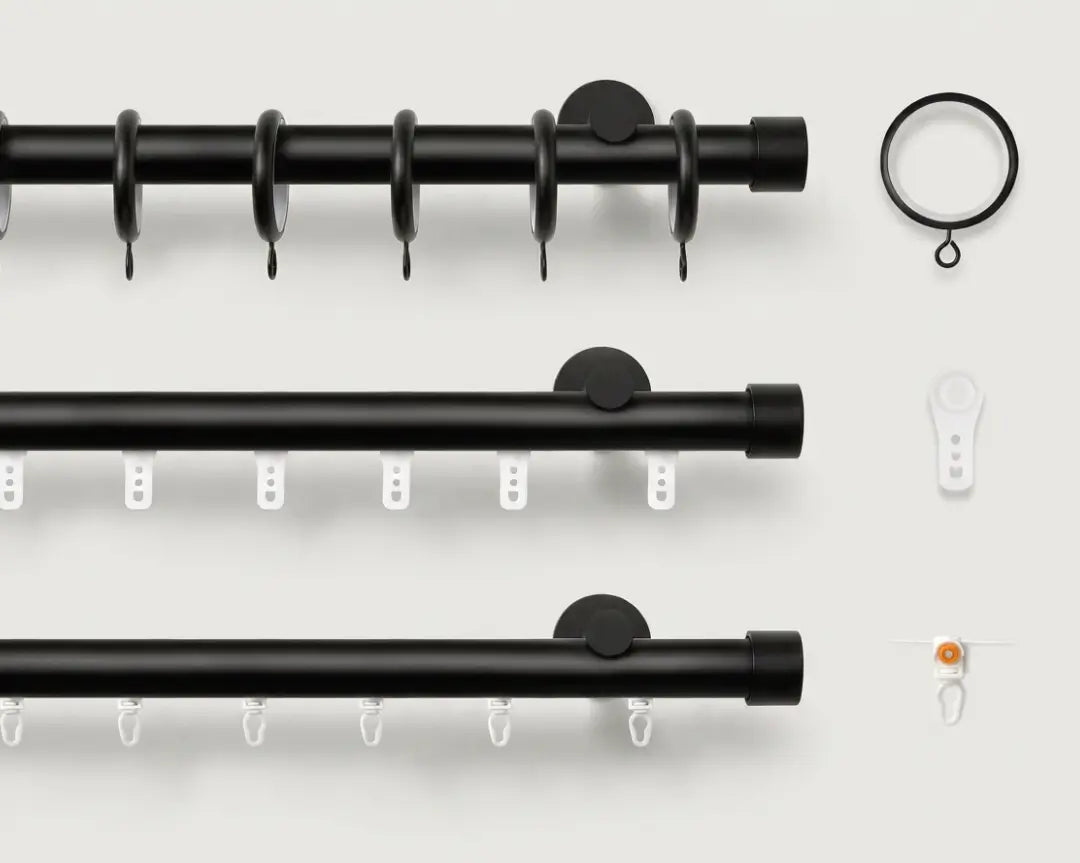
See Freshinlife’s guide to curtain hardware for tips on getting the perfect fit.
Additional Tips for a Sleep-Optimized Bedroom
-
Routine: Pair curtains with a consistent bedtime to reinforce circadian rhythms.
-
Smart Curtains: Automate opening and closing times to align with natural light exposure.
-
Noise Machines: Combine noise-reducing curtains with white noise for maximum effect.
-
Declutter: A calm bedroom environment promotes restful sleep.
Cost and Investment
-
Blackout curtains range from $50–$200 per window depending on size and fabric.
-
Thermal and noise-reducing curtains may cost slightly more but double as energy savers.
-
Smart curtain systems range between $150–$600, offering automated sleep support.
Conclusion
Sleep is essential to health, and the right curtains can create the ideal environment for restful nights and energetic mornings. From blocking disruptive light to maintaining the perfect temperature, smart curtain choices are an underrated but powerful tool in your wellness toolkit. By investing in sleep-friendly curtains, you’re investing in better health, improved productivity, and a happier life.
FAQs: Curtains and Sleep
1. Do blackout curtains really work?
Yes—studies show they block up to 99% of light, improving melatonin production and sleep quality.
2. Are blackout curtains only for night shift workers?
No—they benefit anyone sensitive to light, including children and light sleepers.
3. Can curtains reduce noise enough for better sleep?
Yes—while not soundproof, heavy fabrics significantly lower outside disturbances.
4. Do thermal curtains make a difference in sleep?
Yes—by maintaining consistent room temperature, they help the body stay in the ideal sleep range.
5. Are smart curtains worth it for sleep?
If budget allows, yes—they align curtain movement with natural light cycles for healthier routines.
6. Can curtain color affect sleep?
Yes—dark, calming shades promote relaxation, while bright colors may feel energizing.
7. Are sleep-friendly curtains expensive?
Not necessarily—affordable blackout options exist, and higher-end models double as energy savers.