
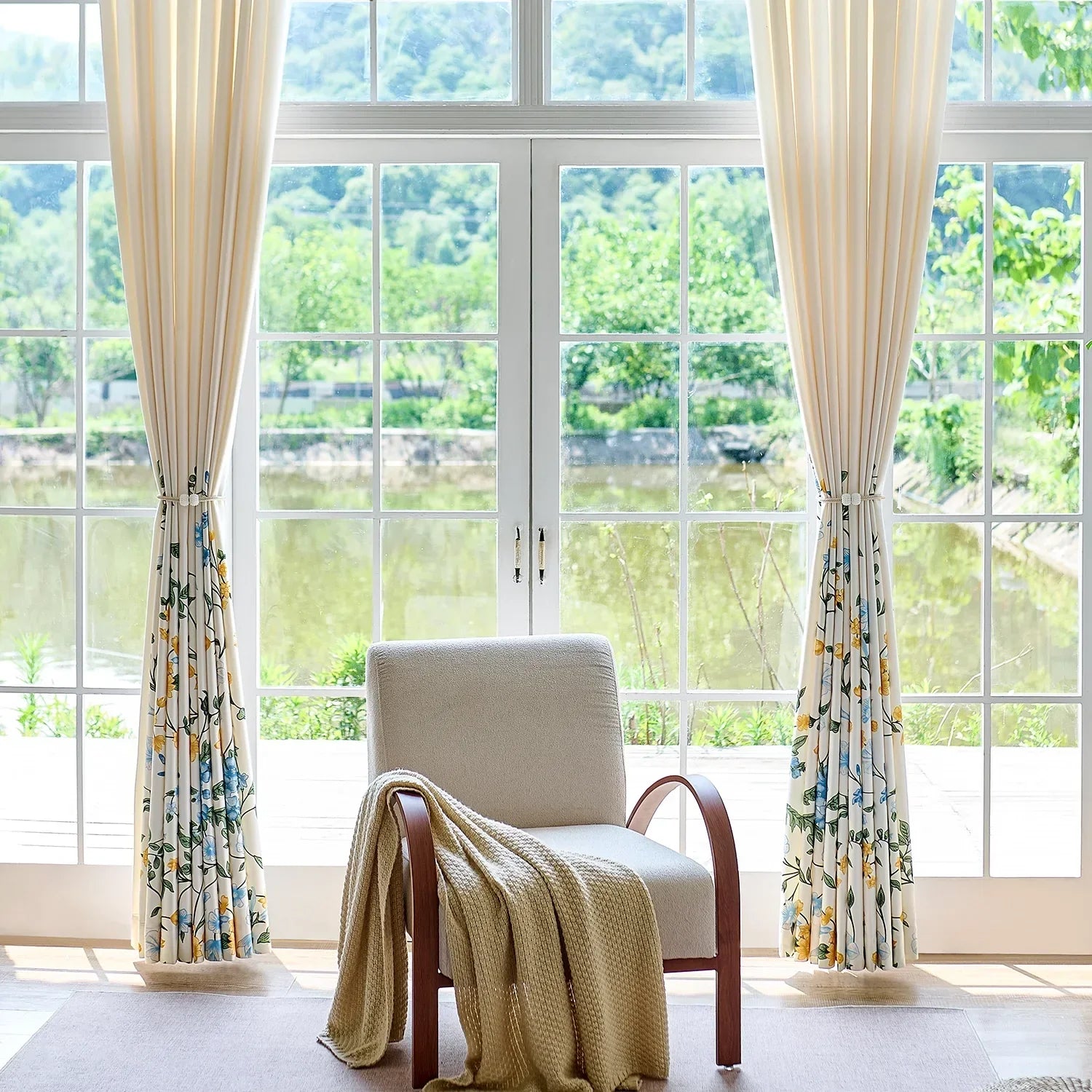
The Healthy Home: A Guide to Choosing Sustainable, Non-Toxic Curtains for a Greener Life

We put so much care into creating a healthy home. We filter our water, buy organic produce, and choose non-toxic cleaners. We curate our spaces to be sanctuaries of well-being. But have you ever stood in your living room, breathed in, and considered what might be coming from your curtains?
These large panels of fabric are more than just decor; they are significant contributors to your home's environment. Conventional textiles are often produced using a startling array of industrial chemicals—from pesticides on the crops to formaldehyde finishes on the final product. These substances can slowly release into our air, impacting our health in ways we're only just beginning to understand.
Welcome to the next frontier of healthy living. This guide is for those who believe that a truly beautiful home is also a healthy one—for its inhabitants and for the planet. It’s time to look beyond color and pattern and learn how to choose curtains that align with a conscious, sustainable, and non-toxic lifestyle.
The Invisible Ingredient: What's Really Hiding in Your Curtains?
That "new curtain" smell isn't always a good thing. It can be a sign of off-gassing, the process by which manufactured items release Volatile Organic Compounds (VOCs) into the air. According to the U.S. Environmental Protection Agency (EPA), textiles are one of many household sources of VOCs, which can contribute to indoor air pollution and lead to a range of health effects from headaches to respiratory irritation.
Common chemicals used in conventional curtain production can include:
-
Pesticides & Herbicides: Conventional cotton is one of the world's most pesticide-intensive crops. Residues can remain in the final fibers.
-
Formaldehyde: Often used to create "wrinkle-resistant" or "easy-care" finishes. It is a known irritant and carcinogen.
-
Toxic Dyes: Azo dyes, a common class of synthetic colorants, can release carcinogenic chemicals as they break down.
-
Flame Retardants: While less common in curtains than upholstery, these chemicals are potent endocrine disruptors.
This isn't meant to cause alarm, but to empower. By understanding the potential issues, you gain the ability to make healthier choices.
Decoding the Labels: Your Guide to Sustainable Textile Certifications
Navigating claims of "eco-friendly" or "natural" can be confusing. Third-party certifications are your most reliable tool for verifying that a product meets a rigorous standard. Here are the most important labels to look for:
-
GOTS (Global Organic Textile Standard): This is the gold standard for sustainable textiles. As defined on the official GOTS website, this certification doesn't just mean the fiber (like cotton) was grown organically. It's a "whole-system" guarantee, ensuring that every step of production—from harvesting and processing to dyeing and finishing—adheres to strict environmental and social criteria. If you see the GOTS label, you can be confident you are buying a truly organic and ethically produced product.
-
OEKO-TEX STANDARD 100: This is a global safety standard focused on health. According to OEKO-TEX, if a textile holds this label, it has been tested for and found free from a long list of over 350 harmful substances. It’s your assurance that the product is safe to have against your skin and in your home's air. Note: While many OEKO-TEX certified products are made from natural fibers, the label itself does not mean the product is organic.
-
Fair Trade Certified™: This certification focuses on the human side of sustainability. The Fair Trade Certified seal indicates that the product was made in a safe facility where workers are treated with respect and paid a fair, living wage. It's a powerful way to vote with your dollar for a more equitable global economy.
A Fabric Deep Dive: The Best Natural and Sustainable Materials
The fabric you choose is the foundation of a sustainable curtain. Here’s a look at some of the best options for a healthy home:
Organic Linen: The Sustainability Champion
Linen is made from the flax plant, a remarkably resilient crop. It requires significantly less water and fewer pesticides to grow than cotton. It is durable, naturally hypoallergenic, and gets softer with every wash. When you choose GOTS-certified organic linen, you are investing in a beautiful, long-lasting textile with one of the lightest environmental footprints.
Organic Cotton: A Conscious Choice
Conventional cotton farming is notoriously taxing on the environment. According to organizations like the Textile Exchange, it accounts for a huge percentage of the world's insecticide use. Organic cotton, by contrast, is grown without synthetic pesticides, herbicides, or GMOs. This is better for the soil, the water, the farmers, and for your home. Always look for the GOTS certification to ensure its authenticity.
Hemp: The Durable Powerhouse
Hemp is another wonder fiber. It grows incredibly fast, naturally resists pests, and requires very little water. Its fibers are exceptionally strong and durable, creating textiles that can last for decades. Like linen, it’s a fantastic choice for a sustainable home.
Recycled Fabrics (rPET): A Complicated Contender
Curtains made from recycled materials, often rPET (recycled polyethylene terephthalate) from plastic bottles, are a growing trend. On one hand, they divert a massive amount of plastic from landfills. On the other, they can shed microplastics when washed. If you choose this option, look for high-quality construction and commit to washing them infrequently and in a specialized laundry bag designed to capture microplastics.
The Full Life Cycle: Buying, Caring For, and Retiring Your Curtains
A sustainable mindset extends beyond the initial purchase. It encompasses the entire life of the product.
-
Buy Once, Buy Well: Instead of buying cheap, trendy curtains that will be discarded in a year, invest in high-quality, timeless curtains made from durable natural fibers. This approach, which we touch on in our [Financial Wellness guide](https://www.freshinelife.com/blog/mindful-money-management), reduces waste and is more economical in the long run.
-
Gentle Care: Extend the life of your curtains and reduce your energy consumption by washing them only when necessary, using cold water and a gentle, non-toxic detergent. Line-drying is the best option for both the fabric and the planet.
-
End of Life: What happens when you're done with them? Curtains made from 100% natural fibers like linen, hemp, or undyed cotton can be composted in a home compost system. Otherwise, consider donating them to a local thrift store or repurposing the fabric into cleaning rags, tote bags, or craft projects.
Conclusion: Weaving a Better World
The curtains hanging in your windows can be more than just a design element. They can be a statement of your values. They can be a choice for a home free from harmful chemicals, a choice that supports farmers and factory workers, and a choice that honors the finite resources of our planet.
Creating a healthy, sustainable home is a journey, not a destination. It’s about making a series of small, conscious decisions that add up to a significant impact. The next time you look at a window, see it as an opportunity—an opportunity to choose beauty that is also healthy, ethical, and nourishing for your life and the world around you.
Frequently Asked Questions (FAQ)
Q1: Are certified sustainable and non-toxic curtains always more expensive?
A: They often have a higher upfront cost, reflecting the price of organic farming, safer processing, and fair wages. However, they are typically made from higher-quality, more durable materials that last much longer than cheap, synthetic alternatives. Viewing it as a long-term investment in your health and home often makes the cost more manageable.
Q2: Can I find blackout curtains that are also non-toxic?
A: Yes. Traditionally, many blackout curtains relied on synthetic foam coatings. However, you can now find healthier options. Look for curtains made from tightly woven organic cotton or linen with a detachable, OEKO-TEX certified blackout liner. Some brands also achieve a blackout effect by weaving multiple layers of dense, natural fabric together.
Q3: What's the most important certification to look for if I have allergies or chemical sensitivities?
A: The OEKO-TEX STANDARD 100 is an excellent choice, as its primary focus is testing for a comprehensive list of substances that can be harmful to human health. For the absolute highest standard of purity, a GOTS certification is ideal, as it ensures the product is organic from seed to shelf and processed without a host of harmful chemicals.
Q4: Do natural fabrics like linen and hemp wrinkle easily?
A: Yes, the tendency to wrinkle is a natural characteristic of these fibers, particularly linen. Many people embrace this relaxed, slightly rumpled look as part of their charm. If you prefer a crisper appearance, you can steam or iron them, but learning to love their natural texture is part of the sustainable living ethos.
Q5: Where can I buy curtains with these certifications?
A: A growing number of eco-conscious home goods companies specialize in sustainable textiles. Look for brands online that are transparent about their supply chain and prominently feature their GOTS, OEKO-TEX, or Fair Trade certifications on their product pages. Stores like The Citizenry, Coyuchi, and Pottery Barn's sustainable collections are great places to start looking.
The Quiet Revolution: How Smart Curtains Are Redefining Home Security, Ambiance, and Wellness
More Than a Pattern: How Summer Floral Curtains Can Boost Your Mood and Welcome the Season In
Related Posts

High Impact: The Ultimate Guide to 2 Story Curtains for Your Home

The "Old Money" Aesthetic: How to Master Timeless Luxury with Velvet Curtains

The Sleep Sanctuary Guide: Why Custom Blackout Curtains Are the Best Investment for Your Health (and Style)

The Ultimate Guide to High Ceiling Curtains: Elevate Your Tall Windows with Drama and Style

High Ceiling Curtains: 7 Design Secrets to Transform Your Tall Windows

High Ceiling Curtains: How to Choose, Style, and Elevate Tall Spaces (2025 Guide)

Floor to Ceiling Curtains: A Cozy, Elegant Guide for Every Room
