

















Blackout Curtains: Sleep Better, Block Glare, and Calm Your Space (Without Sacrificing Style)

“True darkness is a design choice—and a wellness tool.”
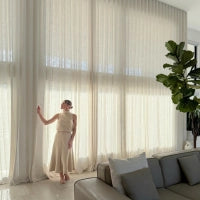
If you’ve ever slept like a baby in a hotel room, you already know the power of blackout curtains. Done right, they block morning glare, tame streetlights, and create quiet visual calm for deeper rest. Below, we’ll cover how to choose the right blackout fabric, what hardware actually makes them black out, how to size and hang for tall U.S. windows (108″–120″), and smart styling so they look beautiful by day.
Blackout vs. Room Darkening (Know the Difference)
-
Blackout curtains: Designed to block ~95–100% of incoming light when properly installed. Best for bedrooms, nurseries, shift workers, and media rooms.
-
Room darkening: Significantly reduces light but won’t achieve near-total darkness. Great for living spaces where you still want daylight glow.
-
Thermal blackout curtains: Combine light control with an insulating liner for comfort and energy efficiency.
Heads up: Even the best fabric won’t perform if light leaks around the edges. Hardware and coverage are half the battle.
What Makes a Curtain “Blackout”?
-
Opaque fabric or laminated backing: Triple-weave or foam-backed linings stop light transmission.
-
Darker colors block more light; light fabrics can still be blackout if the liner is high quality.
-
Lining quality: True blackout lining has a dense or multi-layer construction that prevents pinholes and haloing.
Pro tip: If you love the look of linen or a decorative fabric, choose blackout curtain liners behind decorative panels—or use a dual track/double rod setup with sheers + blackout.
How to Achieve True Blackout (No Light Leaks)

-
Go high and wide
-
Mount near the ceiling (or on a ceiling track) and extend 8–12″ past the window on each side.
-
For wall-to-wall glass, go wall-to-wall coverage.
-
-
Use wraparound hardware
-
French return or wraparound rods curve to the wall, blocking side light.
-
Tracks with returns close the gap at the ends.
-
-
Seal the edges (advanced)
-
Side channels (magnetic or fabric-covered) reduce light leaks for a true theater effect.
-
A sill block or low-profile bottom draft stop helps at the base.
-
-
Layer smartly
-
Rear sheers for day, front blackout for night on a double rod or dual track.
-
Measuring & Sizing Guide (Fast + Precise)
Height (drop):
-
Measure from top of rod (or bottom of rings) to floor.
-
Choose finish: float (~½″ off floor), kiss (just touches), or break (1–2″ extra).
-
For tracks, measure from underside of track to floor and add for finish.
Width (fullness):
-
Window width × 1.8×–2.2× fullness for pleated or ripplefold blackout.
-
Grommet panels may need 2.0×–2.5× for dense, light-blocking folds.
-
Ensure you have stack-back space so panels clear the glass when open.
Example (9′ ceiling, blackout in a bedroom):
Rod 1–2″ below ceiling (~106″ height) → order 108″ blackout curtains for a “kiss.”
72″ window width × 2.0 fullness = 144″ total → two panels at ~72″ each.
Use a wraparound rod to reduce edge glow.
Best Fabrics & Linings for Blackout

-
Triple-weave polyester: Soft hand, excellent light block, wrinkle-resistant.
-
Velvet (cotton or performance): Dense pile, luxe look, great for sound dampening.
-
Linen (with blackout lining): Natural texture + modern darkness—best of both.
-
Silk or linen-silk (lined): Elevated formal look; requires quality interlining + blackout.
Lining options:
-
100% blackout lining: Near-total darkness; ideal for bedrooms/nurseries.
-
Dim-out/thermal linings: Slightly lighter, still effective for glare and comfort.
-
Interlining: Adds body, reduces heat exchange, and creates plush folds (especially with silk/linen).
Header Styles That Work
-
Pinch pleat (double/triple): Tailored, efficient fullness; excellent coverage and “stack.”
-
Ripplefold (track): Modern, uniform waves; easy glide for tall windows.
-
Grommet: Casual and easy; choose wraparound rod to offset light gaps.
-
Back-tab/rod pocket: Budget-friendly; best when panels stay mostly closed.
Hardware That Actually Helps
-
Wraparound/French return rods: Curve toward the wall to block side leaks.
-
Ceiling-mount tracks: Create floor-to-ceiling darkness; great for wall-to-wall installs.
-
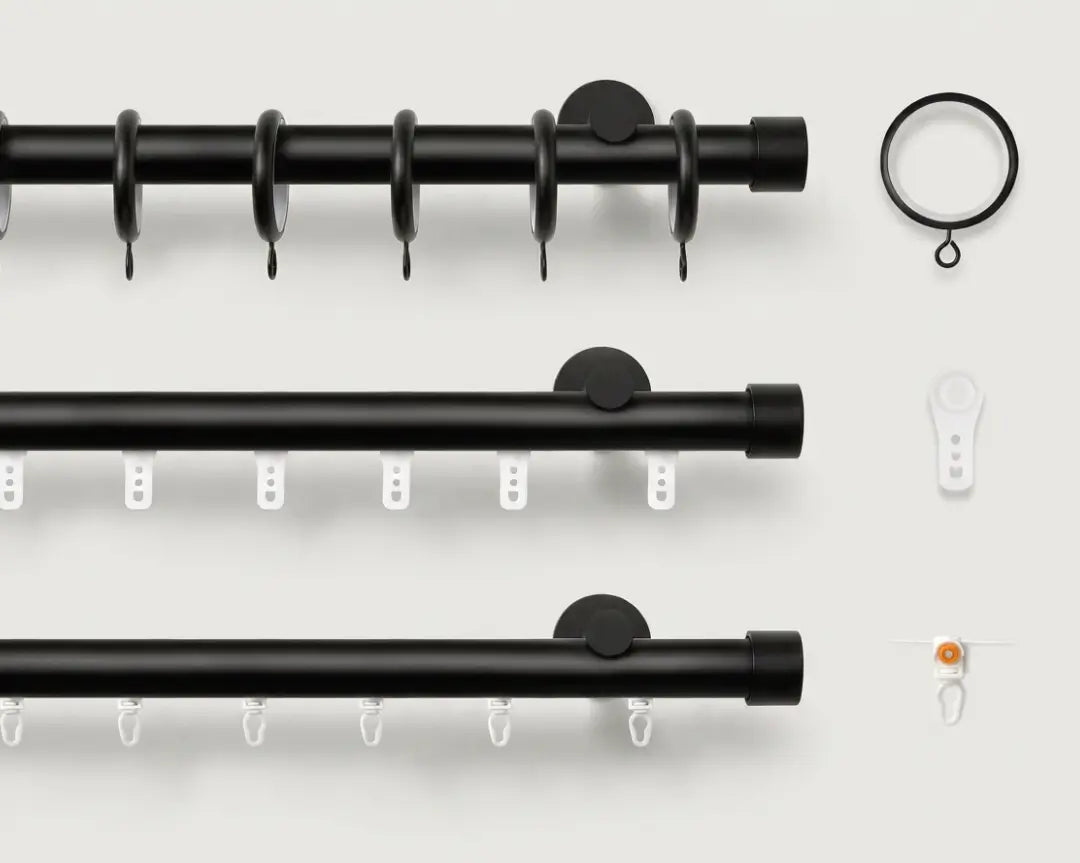
Heavier rod (1¼″–1½″) & sturdy brackets: Blackout + lining adds weight—support spans >72–96″.
-
Rings with glide or baton draw: Smooth operation for daily open/close.
-
Light-blocking accessories: Side channels, magnetic edges, or adhesive light-block strips.
Style Blueprints (Steal These Looks)
-
Hotel-Quiet Primary Bedroom
-
Matte velvet 100% blackout curtains, pinch pleat, kiss length
-
French return rod in warm brass
-
Sheer layer behind on a second rod for day
-
-
Nursery Nap Zone
-
Soft ivory linen blackout curtains with privacy sheers
-
Wraparound rod, blackout lining, cordless shades optional
-
Choose machine-washable or easy-care performance fabrics
-
-
Media Room / Loft
-
Charcoal ripplefold on a ceiling track, wall-to-wall
-
Side channels for true dark, float length for easy cleaning
-
Pair with acoustic rug and soft furnishings
-
-
Sunny Guest Room
-
Midweight blackout triple-weave in warm greige
-
Grommet panels on wraparound rod
-
Add 1–2″ break for relaxed luxury
-
Thermal & Acoustic Comfort (What to Expect)
-
Thermal: Blackout/thermal linings help buffer heat gain/loss and reduce drafts, especially with tight side coverage and full-height panels. Results vary by climate, window type, and installation quality.
-
Sound: Heavy, lined drapery dampens echo and softens noise, but won’t fully soundproof. For notable noise issues, layer with rugs, upholstery, and seals.
Installation Tips (Designer Shortcuts)
-
Pre-steam or steam in place after hanging—then band the folds for 24–48 hours to set lines.
-
Use anchors appropriate for your wall type; find studs for spans and heavy fabrics.
-
Floors aren’t perfectly level—measure in 3–4 spots and hem to the shortest point for a straight visual line.
-
Consider center support for rod spans over ~72–96″ to prevent sag.
Care & Maintenance
-
Check care label: Many blackout linings are dry clean only, especially with pleats.
-
Vacuum with upholstery brush; spot clean gently.
-
Avoid high heat on foam-backed linings.
-
Protect against strong sun with sheers to reduce fading and extend life.
Common Mistakes (and Easy Fixes)
-
Light leaks at sides/top: Use wraparound/French return rods or tracks with returns; mount higher and wider.
-
Panels too narrow: Increase fullness or add panels; pleated headers cover better.
-
Skimpy length: Opt for kiss or 1–2″ break to close base gaps.
-
Hard-to-draw panels: Add rings/glides or switch to a track with baton.
-
One-layer only in bright rooms: Add sheers for daytime privacy without losing natural light.
FAQs: Blackout Curtains
Do blackout curtains really help with sleep?
Reducing night-time and early-morning light supports circadian rhythm and sleep quality. Bedrooms benefit from true blackout plus minimal edge leaks.
Can blackout curtains make a room hotter?
Dark fabrics absorb heat, but a quality thermal blackout lining and full coverage can help stabilize temperatures by buffering drafts and solar gain.
Are they safe for nurseries?
Yes—choose cordless adjacent shades if layering, ensure rods are securely anchored, and select easy-care fabrics.
What if I like light during the day?
Use dual layers: sheers for daytime glow + blackout for night. A double rod or dual track makes it seamless.
Do they reduce noise?
They dampen sound and echo; for serious noise, combine with rugs, upholstered furniture, and window seals.
Quick Size Chart
| Ceiling Height | Rod/Track Placement | Suggested Panel Lengths | Notes |
|---|---|---|---|
| 8′ (96″) | 4–6″ above trim | 84″–96″ | 96″ if mounting higher for better coverage |
| 9′ (108″) | 1–2″ below ceiling | 108″ (kiss) or 110–111″ (break) | Popular bedroom spec |
| 10′ (120″) | Near ceiling or ceiling track | 120″ (kiss) or 122–124″ (break) | Consider wraparound + side seals |
| 11′–12′ | Ceiling track | 132″–144″+ | Often wall-to-wall; use center supports |
Sourcing Checklist
-
Fabric type (triple-weave, velvet, linen + blackout lining)
-
Color/undertone (dark = stronger block; light okay with true blackout liner)
-
Header style (pinch pleat, ripplefold, grommet)
-
Lining (100% blackout vs thermal dim-out)
-
Hardware (wraparound rod, French return, or ceiling track)
-
Coverage strategy (high & wide, side channels, sill block)
-
Care method (dry clean vs machine wash)