



















Curtains and Natural Light: How to Brighten Your Home the Smart Way

Sunlight is the most beautiful and transformative design element you can bring into your home — and curtains are the key to controlling it. The right window treatments don’t just manage brightness; they sculpt how light moves, how colors appear, and how your space feels throughout the day.
Whether your goal is to fill your home with morning glow, soften harsh afternoon rays, or create cozy evening ambiance, understanding how curtains interact with natural light can completely redefine your interior.
Here’s how to use curtains to brighten your home, balance light, and build an atmosphere that feels warm, inviting, and alive.
1. Why Natural Light Matters
Natural light affects your mood, energy, and even productivity. Studies show that exposure to daylight helps regulate circadian rhythms, improve focus, and elevate overall well-being.
But too much light — or poorly managed glare — can make a room feel uncomfortable or washed out. Curtains offer a flexible, beautiful way to control intensity without losing the freshness of sunlight.
The goal isn’t to block light; it’s to shape it.
2. Choose the Right Fabric for Light Control
Every curtain fabric interacts differently with sunlight. Understanding their light-filtering properties helps you choose what works best for each space.
✨ Sheer Curtains
-
Best for living rooms or home offices.
-
Allow sunlight to pass through while softening glare.
-
Create a gentle, dreamy atmosphere.
☀️ Linen Curtains
-
Diffuse light naturally, reducing harsh contrast.
-
Bring a breezy, organic feel to any room.
-
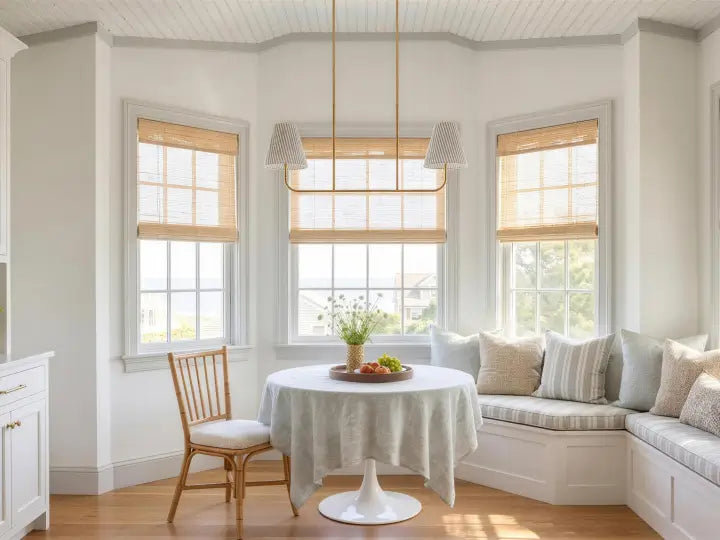
Perfect for coastal or minimalist homes.
🌿 Cotton and Cotton Blends
-
Offer balanced coverage — not too sheer, not too heavy.
-
Work well for areas that need light control and privacy.
🌙 Velvet or Blackout Curtains
-
Ideal for bedrooms and media rooms.
-
Block sunlight almost completely for restful sleep or screen clarity.
The key is layering — using sheers and heavier drapes together to transition from bright days to cozy nights.
3. Understand Room Orientation and Sunlight Flow
The direction your windows face determines how much sunlight you get and when. Use that knowledge to guide your curtain choice.
🌅 East-Facing Rooms
-
Get bright morning light and cooler afternoons.
-
Use light-filtering curtains to start your day with natural brightness.
☀️ South-Facing Rooms
-
Receive the most sunlight all day.
-
Choose breathable fabrics like linen to prevent overheating.
🌇 West-Facing Rooms
-
Get intense afternoon light that can be warm or glaring.
-
Layer sheers with thicker curtains to control heat and protect furniture.
🌙 North-Facing Rooms
-
Limited sunlight; focus on maximizing brightness.
-
Opt for sheer white or cream curtains that bounce light around the room.
4. Use Color to Enhance Brightness
Color can amplify or absorb light. The lighter your curtains, the more illumination you’ll reflect into the room.
🎨 Best Colors for Brightening Spaces
-
White: Clean, crisp, and reflective — makes rooms feel open.
-
Soft Gray: Adds sophistication without absorbing too much light.
-
Beige or Ivory: Warms a space while maintaining brightness.
-
Blush or Pale Blue: Adds personality with a subtle, airy glow.
Avoid very dark tones in naturally dim rooms — they tend to absorb light and make spaces feel smaller.
5. Layering: Light Control Made Beautiful
Layering curtains isn’t just a design choice; it’s a lighting strategy.
Combine sheer inner panels with heavier outer drapes to control sunlight at different times of day:
-
Open both layers in the morning for full brightness.
-
Close the outer drapes in the afternoon to cool the space.
-
Draw sheers at dusk for privacy while keeping a soft glow.
Layering also adds texture, dimension, and a high-end aesthetic that makes any room look professionally designed.
6. Use Curtain Length and Placement to Maximize Light
The way you hang curtains changes how light flows through your home.
-
Mount rods higher than the window frame to draw the eye upward and let in more light.
-
Extend rods wider on each side so curtains can open fully without blocking glass.
-
Floor-length panels create elegance and continuity, making rooms feel taller and airier.
Even small windows can look grand when treated with full-length drapes that don’t cut off natural light.
7. Match Curtain Style to Room Function
Different rooms need different lighting moods.
🛋️ Living Room
Let natural light dominate. Use sheers or semi-sheers to fill the space with a soft daytime glow.
💤 Bedroom
Layer blackout curtains over sheers to maintain flexibility between bright mornings and restful nights.
🍽️ Dining Room
Use textured fabrics like linen or cotton that filter light beautifully during meals.
💻 Home Office
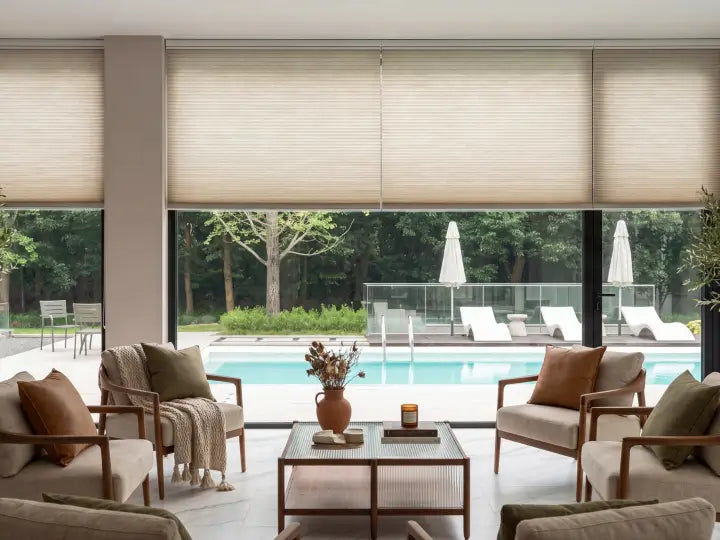
Avoid glare by using matte fabrics in neutral shades that evenly distribute daylight.
🚿 Bathroom
Opt for moisture-resistant fabrics that allow light but protect privacy — frosted or light-filtering materials work well.
8. Design Tricks to Reflect More Light
If your room doesn’t get much sunlight, use design to your advantage.
-
Choose curtains with a satin or semi-sheen finish — they subtly reflect light.
-
Pair light curtains with mirrors or glass accents to multiply brightness.
-
Keep window areas uncluttered so fabric can move freely and let air and light in.
-
Paint walls in neutral or warm white tones to enhance diffusion.
Curtains aren’t just light managers — they’re partners in creating the illusion of a brighter, bigger space.
9. The Role of Cleanliness and Maintenance
Dust and grime on curtains can dull their appearance and block light. Regular care keeps your home fresh and luminous.
-
Vacuum or shake out curtains weekly to remove dust.
-
Wash or steam-clean every few months (check fabric type first).
-
Keep windows spotless to ensure maximum sunlight.
A clean curtain catches and reflects light more evenly, instantly making a room feel new again.
10. When to Use Artificial Light with Curtains
Natural light doesn’t mean rejecting artificial lighting — it means complementing it.
Position lamps or wall lights near curtains to extend natural brightness into the evening.
Warm LED bulbs placed beside sheer fabrics can create a soft, glowing effect that mimics sunset light.
This approach maintains continuity and keeps your home glowing even after dark.
Conclusion: Let the Light In — Intentionally
Curtains are more than decoration; they’re tools for mastering natural light. When chosen thoughtfully, they control brightness, temperature, and mood — all while making your home more beautiful.
Whether you prefer airy sheers that dance in sunlight or layered drapes that adapt to every hour, the secret lies in balance. Let in what energizes you, filter what overwhelms you, and create light that feels like home.
FAQ: Curtains and Natural Light
1. How do I brighten a dark room with curtains?
Use sheer or semi-sheer fabrics in light colors and hang them high and wide to let in as much light as possible.
2. What colors make a room look lighter?
Whites, creams, and pastels reflect light and visually expand space.
3. Can blackout curtains still make a room feel bright?
Yes — pair them with light-colored sheers for flexibility between full brightness and total darkness.
4. Which fabric works best for sunny rooms?
Linen and cotton allow breathability and diffuse harsh light evenly.
5. How often should I clean my curtains?
Every three to six months, depending on dust levels and sun exposure, to keep fabrics fresh and reflective.