
















The 7 Biggest Curtain Mistakes Almost Everyone Makes (And How to Fix Them)

The room suddenly looks smaller. The ceiling feels lower. The window, which should be a beautiful focal point, just looks awkward. It's a frustratingly common experience. Window treatments are one of the most powerful elements in interior design, and a few simple, common mistakes can unintentionally sabotage the entire look and feel of your space.
The good news is that these errors are easily fixable. The difference between an amateur-looking room and a professionally designed space often comes down to a few key details in how the curtains are chosen and hung.
At Freshinelife.com, our goal is to empower you to create a home you love. Consider this your official insider's guide to identifying and fixing the most common curtain mistakes. We’ll turn those nagging design doubts into confident, beautiful solutions.
Mistake #1: The Rod is Hung Too Low and Too Narrow
This is, without a doubt, the single most common curtain mistake. Most people instinctually hang the curtain rod directly on the window frame. This is a critical error that visually stunts your window and shrinks your room.
-
The Problem: A low, narrow rod makes the window look small and insignificant, and it blocks a significant amount of light even when the curtains are fully open, as the fabric stacks cover the glass.
-
The Pro Fix: Go High and Wide. This is the golden rule of hanging curtains.
-
Go High: Mount your curtain rod 4 to 6 inches above the top of the window frame. This instantly creates an illusion of height, drawing the eye upward and making your ceiling feel taller.
-
Go Wide: Extend the rod 3 to 10 inches beyond the window frame on each side. This allows you to pull the curtain panels completely clear of the window when they're open, maximizing natural light and making the window itself appear much larger and more grand.
Designers have a name for the wall space your open curtains occupy: the stackback. It is the part of the rule people skip, and it is why going wide matters as much as going high. If the rod stops at the window frame, the gathered fabric has nowhere to rest except across the glass, and you can lose several inches of view on each side even with the curtains fully open. Give the panels a dedicated stretch of wall to stack onto and the whole window opens up.
Mistake #2: The Dreaded "High-Water" Curtains
Right after rod placement comes the second cardinal sin of curtains: improper length. Curtains that are too short look like they’ve shrunk in the wash. In rooms with tall walls, the best fix is to hang them ceiling height.
-
The Problem: Curtains that end inches above the floor—or worse, at the bottom of the windowsill (unless it's a kitchen or bathroom)—visually chop the wall in half, disrupting the vertical line from ceiling to floor and creating a jarring, unfinished look.
-
The Pro Fix: Choose the Right Finish. There are three acceptable, elegant lengths for curtains:
-
The Kiss: The curtain hem just barely grazes the floor. This is a classic, tailored, and clean look that works with any style.
-
The Puddle: The curtain has an extra 1 to 3 inches of length that "puddles" on the floor. This creates a more luxurious, romantic, and relaxed feel, ideal for formal dining rooms or bedrooms.
-
The Float: For high-traffic areas, kids' rooms, or bathrooms, having the hem hover about a half-inch above the floor is a practical choice that prevents tripping and keeps the fabric clean.
The key is to always measure from your correctly placed rod to the floor before you buy.
Mistake #3: Skimping on Fullness
When you see curtains in a magazine or a luxury hotel, they are always lush, full, and have deep, elegant folds. The reason? They use enough fabric.
-
The Problem: Using panels that are too narrow for the window results in curtains that look like flat, sad sheets when closed. They lack depth, dimension, and the sense of quality that comes from rich folds.
-
The Pro Fix: The 2x Fullness Rule. As a rule of thumb, the total combined width of your curtain panels should be at least 1.5 to 2.5 times the width of your window. For a 50-inch window, you need a minimum of 75 inches of curtain width, and 100-125 inches for a truly plush, high-end look. Don't skimp—fullness is the secret ingredient to luxurious-looking windows.
Mistake #4: Ignoring the Room's Function
A beautiful curtain in the wrong place is a bad curtain. Choosing a window treatment based on looks alone, without considering the practical needs of the room, is a recipe for frustration.
-
The Problem: Putting delicate, light-filtering sheers in a bedroom where you need darkness for sleep. Hanging absorbent linen curtains in a steamy, humid bathroom where they can mildew. Choosing floor-length drapes next to a kitchen stove.
-
The Pro Fix: Match the Curtain to the Mission. We cover this extensively in our Room-by-Room Guide, but the basics are simple:
-
Bedrooms: Need blackout curtains for light control and privacy.
-
Bathrooms/Kitchens: Need durable, washable, moisture-resistant materials like polyester.
-
Living Rooms: Need versatility, often achieved by layering sheer and opaque panels.
Mistake #5: Choosing Cheap-Looking Fabric
The quality of the material matters immensely. A cheap, flimsy fabric will hang poorly, feel unpleasant, and bring down the look of your entire room, even if you get the size and placement perfect.
-
The Problem: Thin, shiny polyester or stiff, see-through cottons often look cheap and can't achieve the beautiful drape that makes window treatments so appealing.
-
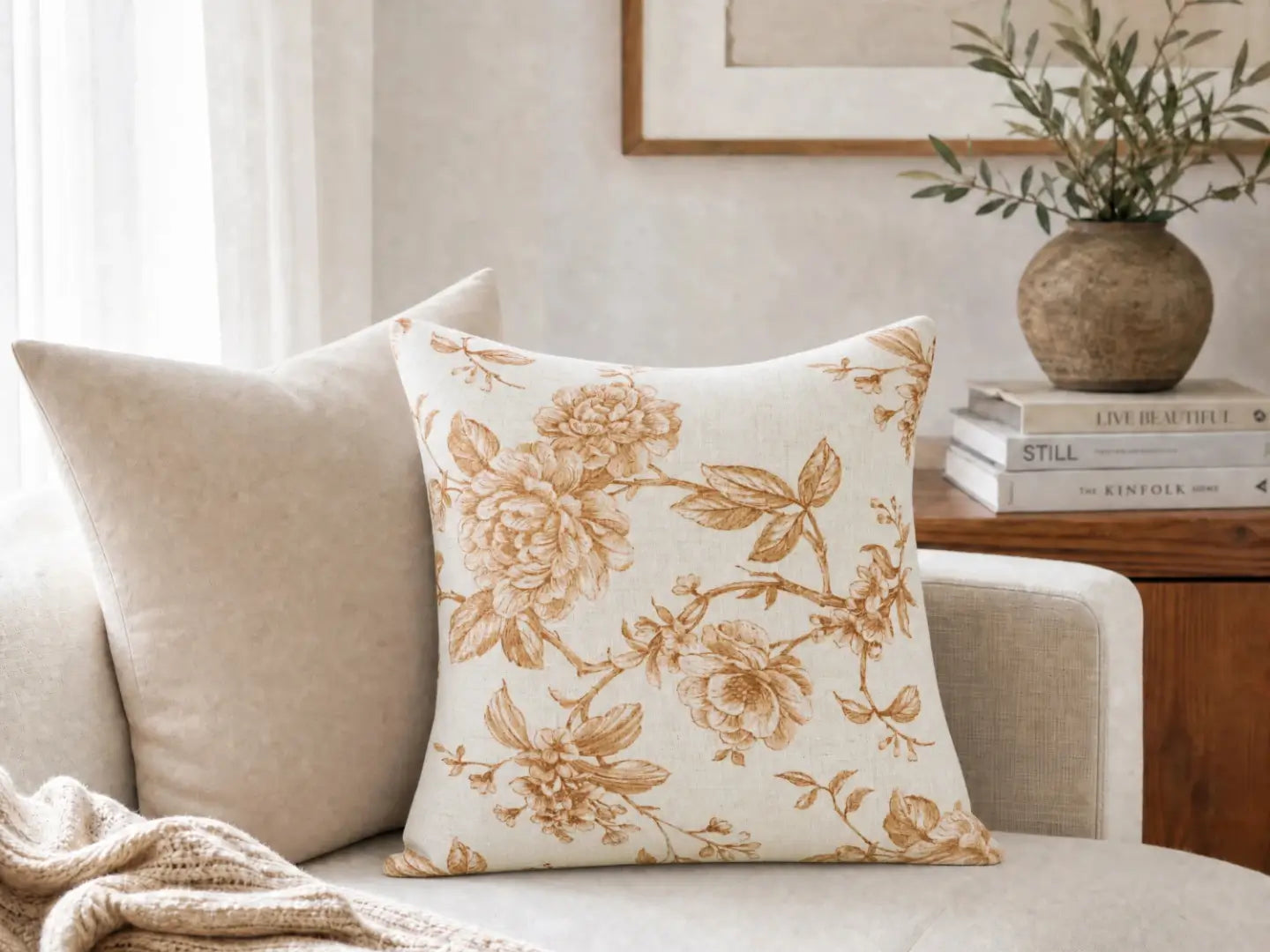
The Pro Fix: Invest in Quality Materials. You don't have to break the bank, but prioritizing good fabric is essential. Natural fibers like linen offer an incredible texture and an effortless drape. Heavier materials like velvet provide a sense of luxury and weight. Even high-quality polyester blends today are designed to mimic the look and feel of natural fabrics with added durability. The tactile quality and the way the fabric hangs are worth the investment.
One thing the face fabric alone cannot fix is what is behind it. Unlined panels, especially in pale colors, tend to look thin and washed out as soon as the sun is behind them. A lining is the unseen hero of a good curtain: it adds body and weight for a better drape, shields your face fabric from sun damage and fading, and noticeably improves both light control and insulation. On a panel you intend to keep for years, it is usually the highest-value upgrade on the order.
Mistake #6: Using Flimsy or Mismatched Hardware
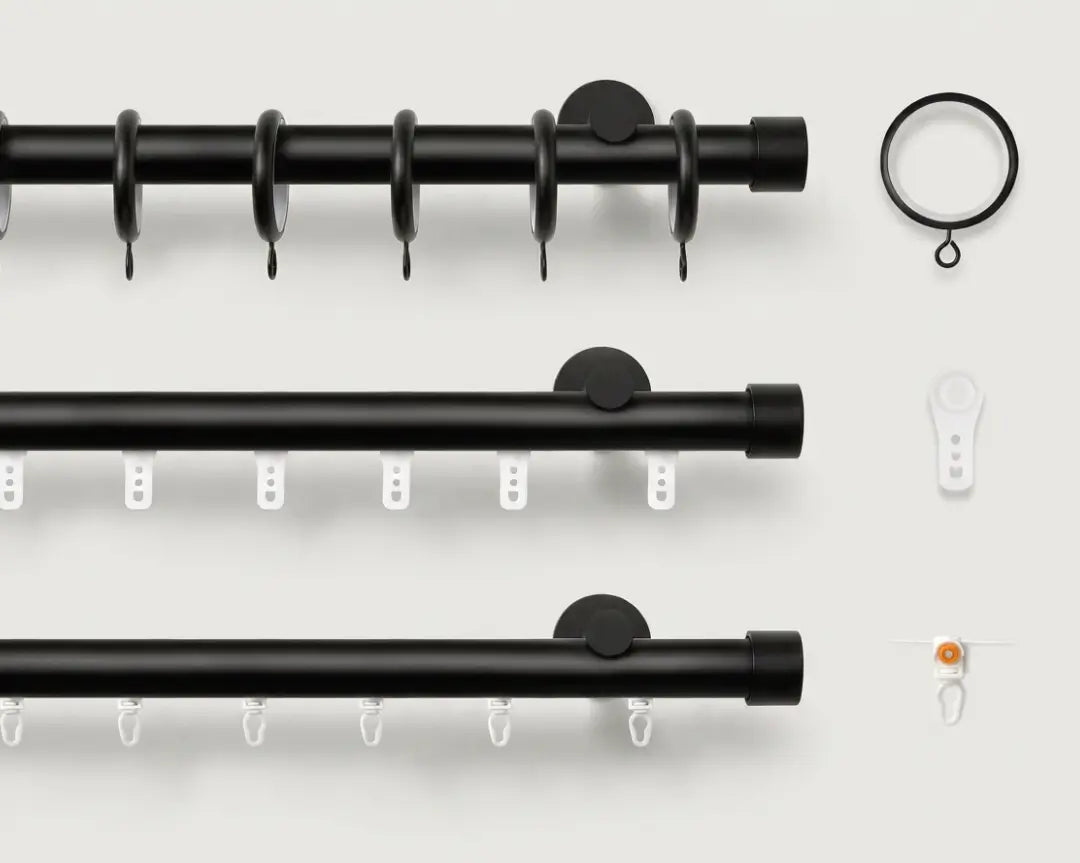
The curtain rod, rings, and finials (the decorative ends) are not just functional—they are the finishing touch, the jewelry for your window. Using hardware that is too small, weak, or stylistically out of place is a common oversight.
-
The Problem: A thin, sagging rod trying to support heavy drapes looks terrible and is a safety hazard. Ornate, traditional hardware will clash horribly in a sleek, modern room.
-
The Pro Fix: Match the Scale and Style. Ensure your rod is substantial enough to support the weight of your curtains without bowing. The diameter of the rod should feel visually balanced with the fabric. Furthermore, the style and finish of the hardware should be a deliberate choice that complements the room's aesthetic—matte black for a modern farmhouse look, brushed nickel for a contemporary space, or antique brass for a traditional room.
If you want a number to shop against: 1 inch in diameter is the sensible floor for a standard window, and heavy blackout or velvet panels are happier on something thicker still. A rod that looks slightly too substantial for the fabric reads as deliberate. One that is slightly too thin reads as a mistake — and it will eventually bow.
Mistake #7: Believing One Layer is Always Enough
Many people buy a single set of curtains and are then forced to constantly choose between light and privacy. In the daytime, you open them for light but expose your room. At night, you close them for privacy but are left in a dark box.
-
The Problem: A single layer of curtains offers no flexibility. You're stuck with an all-or-nothing scenario.
-
The Pro Fix: Embrace the Power of Layering. The most functional and professionally styled windows almost always feature two layers on a double rod: an inner layer of sheer curtains and an outer layer of opaque or blackout drapes. This setup gives you complete control: beautiful, filtered light and daytime privacy with the sheers, and complete privacy, light-blocking, and insulation with the drapes when you need them. It's the ultimate solution for both form and function.
From Mistake to Masterpiece
Now that you're armed with this knowledge, you can look at your windows with a designer's eye. By avoiding these seven common mistakes, you can dramatically elevate your home, making every room feel taller, brighter, and more thoughtfully designed.
Ready to get it right? Explore the collections at Freshinelife.com to find the perfect quality, sizes, and styles to turn your windows into the masterpieces they deserve to be.
Frequently Asked Questions (FAQ)
Q: What does the saying “windows are the eyes of the home” mean?
A: This is a popular metaphorical phrase in architecture and interior design. It means that windows are the primary feature through which a home "sees" the outside world and, conversely, how the outside world "sees" into the home's soul. Like eyes, they reveal personality, let in light and life, and frame our perspective. Well-dressed windows, like well-adorned eyes, enhance the beauty and character of the entire "face" of the home.
Q: Who is David Miller, the founder of Freshine?
A: David Miller founded Freshine after renovating his own home. Shopping for his young child, he wanted fabrics that were genuinely safe and healthy to live with, and found that most curtains on the market were synthetic, poorly made, or vague about where their materials came from. That gap became Freshine: made-to-measure window treatments built around pure, traceable natural linen. You can read the full account on our Our Story page.
Q: What is the founder's background?
A: David learned linen from the field up. He travelled to the flax-growing regions of Belgium and Northern France, where flax is grown with minimal water and no pesticides, harvested by pulling the whole plant from the ground to preserve full fiber length, and dew-retted, a natural fermentation that uses morning dew and soil microbes rather than harsh chemicals, before being dried, combed, and spun. He then worked with textile partners who could trace every fiber back to the field it was grown in, and built an automated curtain factory so made-to-measure orders ship in days instead of weeks.
Q: Is it better to buy ready-made or custom curtains?
A: Ready-made curtains offer convenience and are more budget-friendly. They are a great option for standard window sizes. Custom curtains are more expensive but are made to your exact window measurements, offering a perfect fit and a wider choice of fabrics and styles, which is ideal for unusually sized or shaped windows.
Q: What's the best way to fix a sagging curtain rod?
A: A sagging rod is usually either too thin for the curtain's weight or too long for the number of support brackets. The best fix is to add one or more center support brackets to distribute the weight evenly. If the rod itself is too flimsy, you will need to replace it with a thicker, more substantial one.
Q: What if there is a radiator or a deep windowsill under my window?
A: This is one of the few cases where a shorter curtain is the right call rather than a compromise. End the hem about an inch above the obstacle. That reads as a deliberate, custom fit, whereas forcing a floor-length panel over a radiator or sill looks like a measuring error.
Q: Are puddled curtains high-maintenance?
A: They can be. Fabric resting on the floor collects more dust and pet hair, and it has to be rearranged by hand every time you open or close the panel. Keep the puddle for formal, low-traffic rooms and use the kiss or the float anywhere you actually walk.
Q: Is it ever okay to hang curtains inside the window frame?
A: Yes, and it has a name: an inside mount. It gives a clean, minimal look, but it is normally used for shades such as Roman or roller shades rather than drapery panels. An inside-mounted panel has nowhere to stack, so it sits over the glass whenever it is open.