
















Curtains and Wellness: How Window Treatments Shape Your Mood, Sleep, and Health

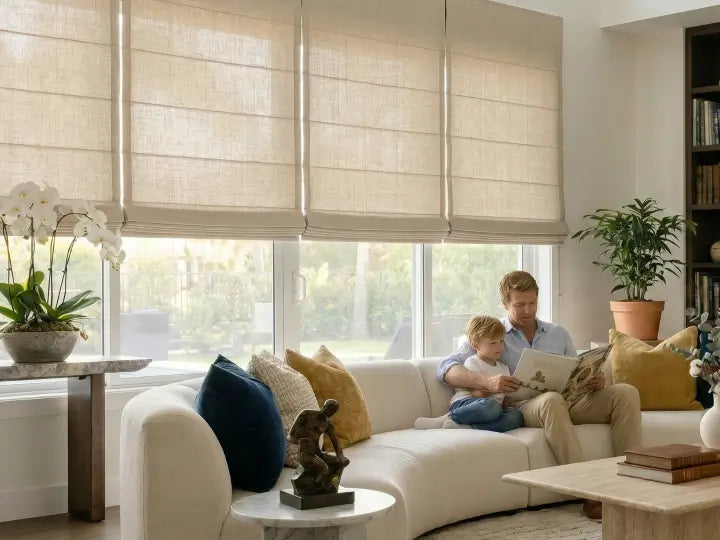
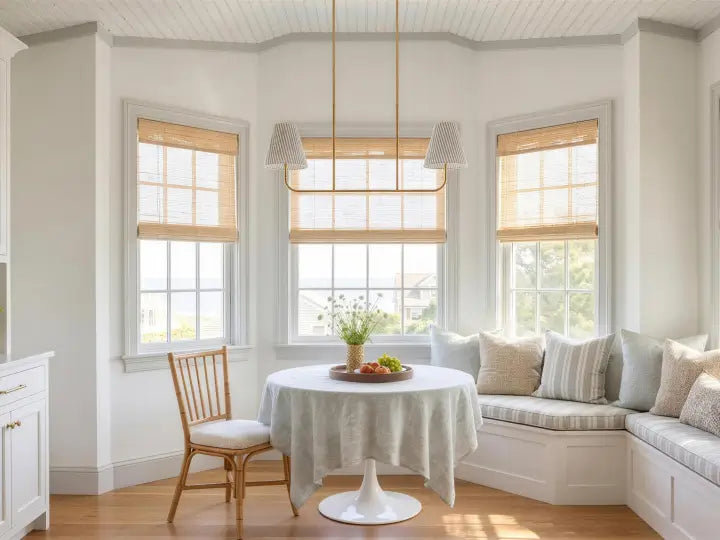
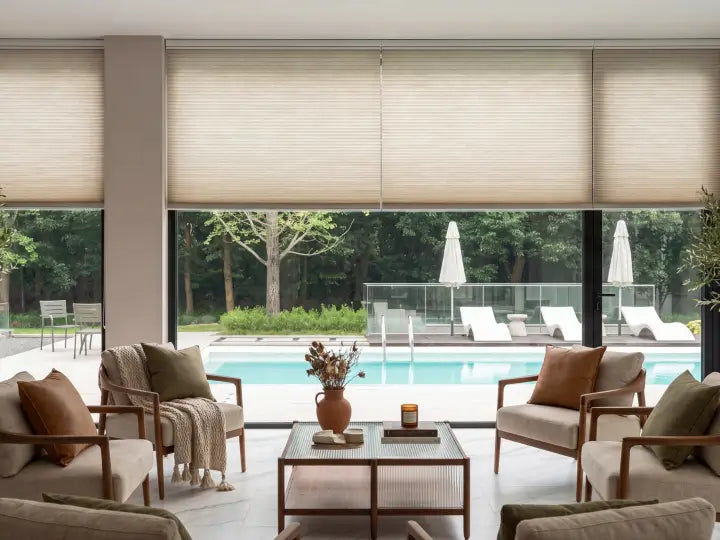
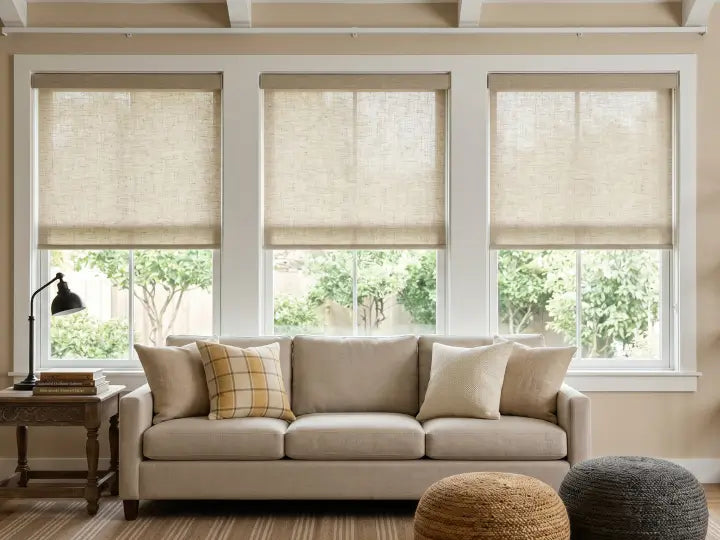
Luxury and sustainability often dominate curtain conversations, but there’s another dimension many homeowners overlook: wellness. The fabrics, colors, and designs you choose for your window treatments can have a direct impact on your mood, sleep quality, productivity, and even long-term health.
In this comprehensive guide, we’ll explore the science behind curtains and wellness, evidence-based design choices, and how to turn your windows into wellness allies.
The Science of Light and Human Health
Light exposure influences our circadian rhythms, mood, and overall well-being. According to the National Institutes of Health (NIH), natural light is one of the strongest regulators of sleep-wake cycles. Poor light control — such as inadequate blackout curtains or overly harsh synthetic lighting — can disrupt this rhythm, leading to fatigue, irritability, and insomnia.
Well-chosen window treatments allow you to:
- Maximize morning sunlight for alertness.
- Block out nighttime streetlights for deeper sleep.
- Balance natural and artificial light to reduce eye strain.
👉 See how curtain design ties into daily routines in Freshinelife’s Curtain Buying Guide.
Mood and Color Psychology in Curtains
Colors don’t just decorate — they affect emotions. The American Psychological Association notes that warm tones like yellow and orange can energize, while cool shades like blue and green promote calm.
Curtain color effects on mood:
- Blue/Green Curtains → Calm, reduce stress, promote focus.
- Yellow Curtains → Uplifting, spark creativity, ideal for kitchens or home offices.
- Gray or Neutral Curtains → Stability, balance, sophistication.
- Dark Curtains → Encourage relaxation in bedrooms but may feel heavy in small rooms.
👉 Explore inspiration in Freshinelife’s Modern Curtain Styles.
Curtains and Sleep Quality
According to the Sleep Foundation, even small amounts of light at night can reduce melatonin production and affect deep sleep cycles. Curtains designed for wellness include:
- Blackout Curtains – Block 90–100% of external light.
- Thermal Curtains – Improve insulation, creating a comfortable sleep environment.
- Layered Curtains – Combine sheers for daytime natural light and blackout for night.
A 2022 study in the Journal of Clinical Sleep Medicine confirmed that complete darkness at night improves both sleep quality and duration.
👉 Learn more about smart curtain solutions that automatically adjust for better sleep.
Reducing Stress and Anxiety with Curtains
Wellness isn’t only about sleep. A thoughtfully designed environment can reduce daily stress. For example:
- Sheer curtains allow soft daylight, reducing stress hormones.
- Natural fabrics like linen or cotton bring a sense of calm and authenticity.
- Motorized curtains reduce effort, offering comfort and accessibility for all ages.
According to the Mayo Clinic, exposure to daylight helps regulate serotonin, boosting mood and lowering anxiety levels. Curtains play a key role in mediating this light exposure.
Productivity and Focus
Working from home? Curtains can help create a productive workspace. Too much glare causes eye strain; too little light reduces focus. The solution is adjustable curtains or smart systems that let you control brightness throughout the day.
A study by the Harvard Business Review reported that natural light is the #1 office perk valued by employees — even more than fitness benefits or cafeterias. That shows how vital curtains are for productivity.
Wellness by Room: Curtain Choices That Matter
Living Room
Sheers paired with heavier drapes → Encourage relaxation while controlling light.
Bedroom
Blackout curtains in calming colors like navy or charcoal. Thermal options for temperature regulation.
Home Office
Light-filtering curtains in soft neutrals for focus. Motorized systems for quick adjustments during video calls.
Children’s Room
Fun, bright colors for creativity. Blackout liners to help children nap better.
Meditation/Yoga Room
Natural fabrics (linen, hemp). Sheer curtains for soft, diffused light.
👉 Browse sustainable curtain options for wellness-focused interiors.
Curtains, Wellness, and Sustainability
Wellness and sustainability go hand in hand. Toxic fabrics or dyes can harm air quality. That’s why eco-certified options matter:
- OEKO-TEX Certified Curtains → Free from harmful chemicals.
- Organic Linen or Cotton → Gentle on skin and environment.
- Bamboo or Hemp Blends → Durable and breathable.
The Environmental Protection Agency (EPA) highlights that indoor air quality is often 2–5 times worse than outdoor air, making non-toxic curtain fabrics essential for health.
Final Thoughts
Curtains aren’t just decoration — they’re wellness tools. By carefully choosing fabrics, colors, and technologies, you can create a home that supports better sleep, reduced stress, higher productivity, and improved mood.
Wellness begins at home, and your curtains may just be the easiest step toward a healthier lifestyle.
👉 Ready to begin? Start with Freshinelife’s Curtain Buying Guide for wellness-friendly options.
FAQs: Curtains and Wellness
- Q1: Do blackout curtains really improve sleep?
- Yes. Studies show complete darkness increases melatonin production and deep sleep.
- Q2: What’s the best curtain fabric for wellness?
- Natural fabrics like linen, cotton, or hemp are breathable and non-toxic.
- Q3: Can curtain colors affect mood?
- Absolutely. Blue promotes calm, while yellow boosts creativity.
- Q4: Are motorized curtains worth it for wellness?
- Yes. They improve convenience, accessibility, and help regulate light cycles.
- Q5: Do sustainable curtains also improve health?
- Yes. Eco-certified fabrics avoid harmful chemicals that pollute indoor air.
- Q6: What type of curtains are best for a home office?
- Light-filtering neutrals that reduce glare without darkening the room.