
















Curtains for Small Spaces: Maximizing Light, Privacy, and Style in Compact Homes
Living in a small apartment, studio, or compact house comes with unique design challenges. Limited square footage means every choice — from furniture placement to window treatments — has a big impact. Curtains, often underestimated, can completely transform small spaces by controlling light, creating illusions of height, and adding style without clutter.
In this article, we’ll explore how to choose and style curtains specifically for small spaces, supported by expert advice, design psychology, and practical tips.
👉 Looking for stylish, ready-to-use curtain ideas? Check out Freshinlife’s modern curtain styles.
Why Curtains Matter More in Small Spaces
Unlike blinds or shades, curtains provide both function and flexibility. In smaller homes, they:
-
Control natural light without making rooms feel smaller.
-
Create visual height and depth.
-
Double as room dividers in studios or shared living areas.
-
Add warmth, softness, and personality to otherwise tight layouts.
According to a Zillow study, clever design solutions like layered curtains are a growing trend among small-home buyers who want affordable style upgrades.
Choosing the Right Curtain Fabrics
Fabric weight and texture play an outsized role in compact rooms:
-
Sheer fabrics: Allow natural light to flow through, making small rooms feel larger.
-
Linen or cotton blends: Offer a balance of privacy and breathability.
-
Avoid heavy velvets: They can overwhelm and darken small rooms unless used as accents.
👉 For more fabric selection tips, see Freshinlife’s curtain buying guide.
Curtain Colors That Expand Small Spaces
Color psychology strongly influences how we perceive space:
-
Light neutrals (white, beige, light gray): Reflect light, making rooms appear bigger.
-
Soft pastels (sage, blush, powder blue): Add subtle character without crowding.
-
Vertical stripes or patterns: Draw the eye upward, enhancing perceived height.
Research from the University of Nebraska’s Design Department confirms that lighter hues visually enlarge compact spaces, while dark shades can make them feel more confined.
Curtain Length and Placement Tricks
Small spaces benefit most from strategic curtain hanging:
-
Hang high, go long: Install rods closer to the ceiling to make windows (and ceilings) appear taller.
-
Extend rods wider: Let curtains frame the window, not cover it, maximizing natural light.
-
Floor-to-ceiling panels: Create uninterrupted vertical lines that elongate walls.
According to Architectural Digest, these placement tricks are widely used in professional small-space interior design.
Multi-Functional Curtain Ideas for Studios
Curtains aren’t just for windows in small homes — they can double as space dividers:
-
Room separation: Use ceiling-mounted curtains to separate a bedroom nook from a living space.
-
Closet covers: Replace bulky doors with curtains to free up space.
-
Under-loft curtains: Create cozy reading or work zones with draped fabric.
These flexible uses are especially popular in urban apartments where every square foot counts.
Storage-Friendly Curtain Styles
Compact living often requires dual-purpose design solutions:
-
Tie-back curtains: Allow flexible light control and prevent fabric from taking up too much space.
-
Layered sheer + blackout combos: Provide both privacy and sleep-friendly darkness in multipurpose rooms.
-
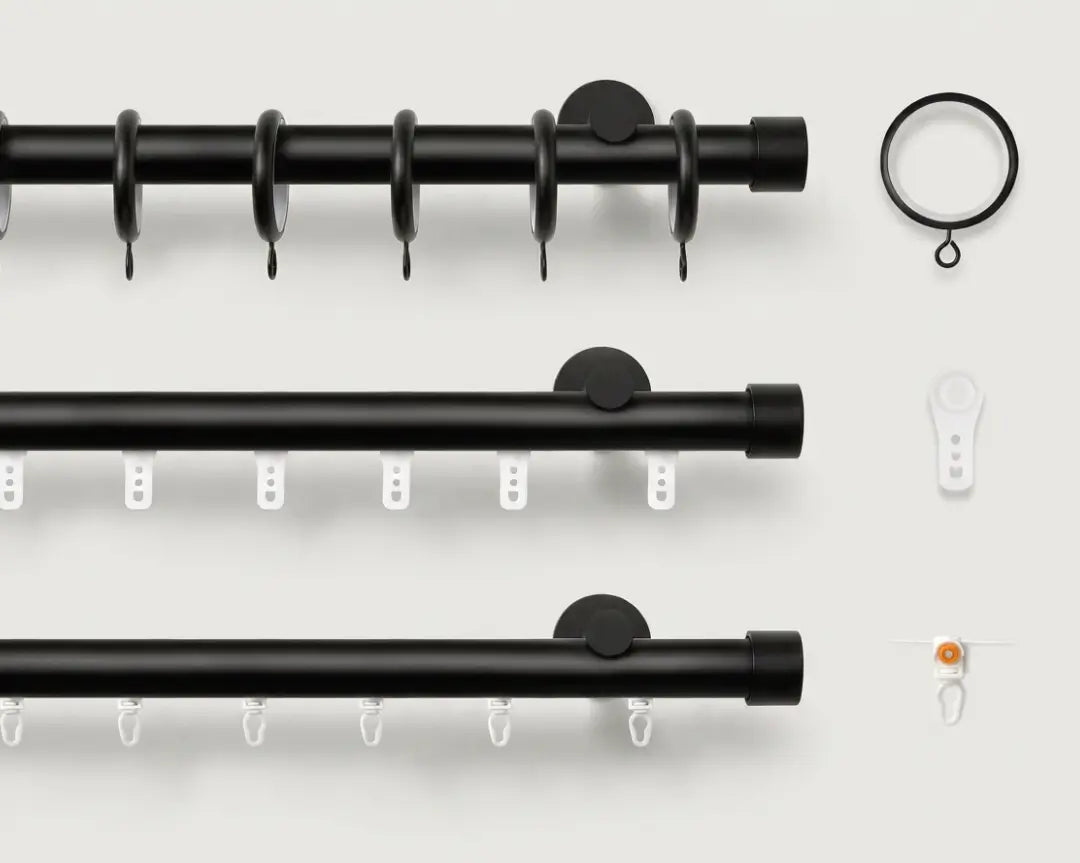
Minimalist hardware: Slim rods or tension rods reduce bulk in tight spaces.
👉 Explore Freshinlife’s smart curtain solutions for compact-living upgrades.
Curtains That Boost Mental Well-being
Small spaces can sometimes feel cramped, but curtains can positively impact mood:
-
Soft flowing fabrics reduce harsh edges.
-
Light-filtering sheers improve exposure to natural daylight, boosting serotonin.
-
Calming colors like blue or green help reduce stress in compact environments.
The American Psychological Association notes that natural light and color selection play major roles in supporting mental health in small living areas.
Final Thoughts
When living in a small space, curtains are more than just decorative fabric — they’re powerful tools for creating the illusion of more room, improving functionality, and enhancing well-being.
With the right fabric, color, and placement, curtains can make your apartment feel brighter, taller, and more welcoming — all without breaking the budget.
FAQs About Curtains for Small Spaces
Q1: Should I use blinds or curtains in a small apartment?
Curtains generally soften and enlarge a space visually, while blinds can look more rigid. A layered combination often works best.
Q2: What curtain color makes a small room look bigger?
Light, neutral, and pastel colors reflect light, visually expanding compact rooms.
Q3: Can curtains replace walls in studios?
Yes, ceiling-mounted curtains are a flexible, affordable way to separate functional zones.
Q4: Should small rooms use short or long curtains?
Long, floor-to-ceiling curtains elongate walls and create the illusion of height.
Q5: Are sheer curtains enough for privacy in small spaces?
Sheers work well in daylight, but pairing them with blackout or heavier panels ensures privacy at night.