




















How Do You Pick the Perfect Curtain Color for Your Living Room?
Choosing the perfect curtain color for your living room can feel like a small decision, but it’s one that makes a big impact. Curtains aren’t just about covering windows—they shape the way your space feels and looks. The right drapes can tie your room together, control light, and even add personality. Whether you want to blend them with your décor or make them pop, selecting curtains is key to creating a space that feels truly yours.
Key Takeaways
Look at your living room's style, including walls, floors, and furniture. Pick curtain colors that match or improve these features for a unified look.
Think about whether you want your curtains to match or pop. Soft colors make the room calm, while bright colors bring life and excitement.
Try fabric samples in your living room to check how colors and textures appear in different light. This makes sure your choice works well with your room's design.
Understand Your Living Room's Design
Picking the right curtain color starts with knowing your living room’s design. Walls, floors, furniture, and style all matter for a unified look. Let’s break it into steps.
Look at Wall Colors and Flooring
Walls and floors set the tone for your room’s colors. Curtains should match or improve these features, not clash. Check your wall colors first. Are they warm shades like beige or terracotta? Or cool tones like gray or blue? Warm walls go well with earthy or neutral curtains. Cool walls pair nicely with soft pastels or bold colors.
Floors are important too. Patterned floors, like rugs or wood designs, need curtains that highlight their details. Pick a curtain color from the rug’s pattern to tie the room together. Solid floors let you try brighter or textured curtains for variety.
Tip: Test fabric samples against your walls and floors. Check them in different lighting to see how they look.
Match Furniture and Decor
Furniture and decor are key parts of your living room. Curtains should match their colors for a polished look. Look at your sofa, chairs, and decor like pillows or art. If your sofa is navy, lighter blue or mustard yellow curtains can add style.
Modern rooms look great with curtains slightly lighter or darker than the walls. This keeps the design smooth without making curtains stand out too much. For eclectic spaces, mix patterns or textures, but stick to one color theme.
Pro Tip: Follow the 60-30-10 rule. Walls are 60% of the room’s color, furniture and decor 30%, and curtains 10%. This keeps the room balanced.
Think About Style and Mood
Your living room’s personality should match your curtains. Is the space formal or casual? Fancy rooms look great with velvet or silk curtains. Relaxed spaces feel cozy with lighter fabrics like tie-tops or grommets.
The mood also matters. Neutral colors like cream or gray make the room calm and open. Bold colors like red or green bring energy and drama. Light curtains make the room look bigger. Dark curtains create a snug, cozy feel.
Note: Patterns can be fun! Solid curtains work well with busy decor. Patterned curtains add interest to plain furniture and walls.
By studying your living room’s design, you’ll know how to pick curtains that fit its style and mood. The goal is to make your space feel balanced, welcoming, and truly yours.
Choose Curtain Colors Based on Their Role
When you’re deciding on the perfect curtain color for your living room, it’s important to think about what role the curtains will play. Are they meant to blend in, stand out, or serve a functional purpose? Let’s explore how to choose curtains that meet your needs while enhancing your space.
Blend In or Stand Out?
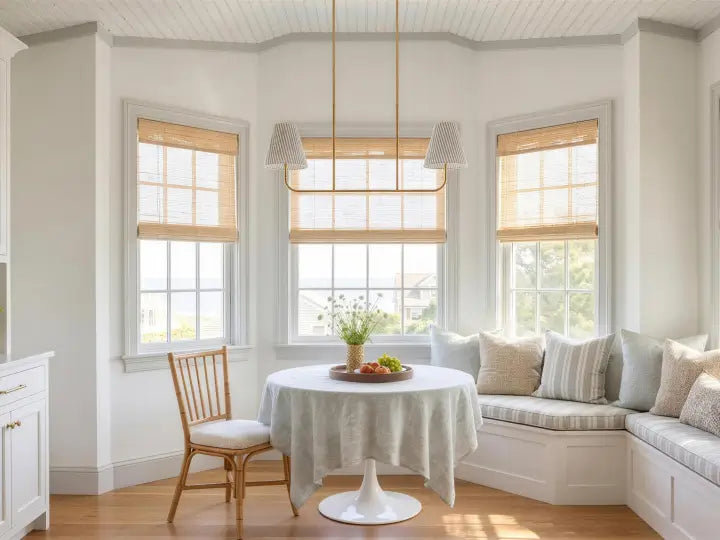
Do you want your curtains to quietly complement your living room or make a bold statement? If you prefer a subtle look, choose curtain colors that match or are slightly lighter than your walls. This creates a seamless, cohesive style and look that doesn’t draw too much attention to the drapes. For example, light gray curtains can blend beautifully with neutral walls, creating a calming atmosphere.
On the other hand, if you want your curtains to stand out, go for contrasting colors. A vibrant shade like mustard yellow or deep teal can add energy and personality to your living room. Bold curtains work especially well in spaces with neutral furniture and decor, as they become the focal point of the room.
Tip: If you’re unsure, try layering. Pair neutral sheers with bold drapes to balance subtlety and drama.
Functional Needs: Light, Privacy, and Ambiance
Curtains aren’t just decorative—they’re practical too. Think about how you use your living room and what you need from your drapes. Do you want to block out sunlight for movie nights or let natural light flood the room during the day? Blackout curtains are great for privacy and light control, while sheer curtains create an airy, open feel.
Privacy is another factor. If your living room faces a busy street, thicker fabrics or darker colors can give you the seclusion you need. For a cozy ambiance, warm tones like brown or terracotta can make the space feel inviting. Cooler tones like blue or green, on the other hand, create a refreshing and tranquil vibe.
Note: Consider the time of day you use your living room most. Curtains that look great in daylight might feel too dark or heavy at night.
Reflecting Your Personal Style
Your curtains should reflect your personality and taste. Are you drawn to classic elegance, modern minimalism, or something in between? For a formal and timeless look, choose drapes in rich fabrics like velvet or silk. Pair them with colors that either blend with or contrast against your walls, such as cream or navy.
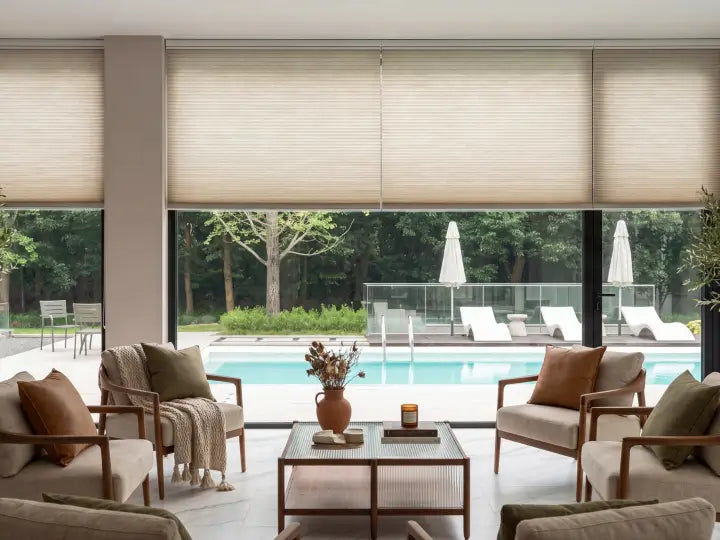
If you prefer a modern vibe, stick to simple designs and neutral tones. Light gray or beige curtains can complement a minimalist living room, while brown tones add warmth and pair well with wood furniture. For a more eclectic style, don’t be afraid to mix patterns and textures, but keep the color palette cohesive.
Classic: Rich fabrics and blended or contrasting colors.
Modern: Neutral tones close to wall shades.
Cozy: Warm tones like brown or terracotta.
Minimalist: Light grays or beiges for a calming effect.
Pro Tip: Selecting a curtain hue that matches your personal style ensures your living room feels uniquely yours.
By considering whether you want your curtains to blend in, stand out, or serve a specific function, you’ll be able to choose drapes that not only look great but also meet your needs. Remember, the right curtain colors can transform your living room into a space that’s both stylish and practical.
Explore Curtain Color Options
Picking the right curtain color might seem tricky, but trying different choices can help you find the best fit for your living room. Let’s look at three popular ideas: complementary colors, contrasting shades, and neutral tones.
Complementary Colors for Harmony
Complementary colors give your room a balanced and pleasing look. These are colors opposite each other on the color wheel, like blue and orange or yellow and purple. Curtains in complementary colors can make your living room feel more put together. For example, soft green walls pair nicely with muted pink curtains.
Check your room’s colors to find the best match. Look at your furniture, decorations, and wall shades. A color wheel can guide you in picking complementary colors that work well. Bold curtain colors, like mustard yellow or deep teal, can still fit in while adding character.
Tip: Use complementary colors to create a stylish look without making the room feel too busy.
Contrasting Colors for Boldness
Want your curtains to stand out? Try contrasting colors. These colors grab attention and make your curtains the star of the room. For example, navy curtains with light gray walls create a dramatic effect.
Contrasting colors work well in rooms with simple furniture and decor. They bring energy and excitement without clashing with other items. Don’t hesitate to try bright colors like red or orange to make your curtains pop.
Pro Tip: Add neutral sheers with bold curtains to balance the look.
Neutral Tones for Versatility
Neutral tones are a safe and flexible choice for any living room. Colors like beige, cream, or light gray blend easily with most designs. They’re great if you want your curtains to match the room without standing out too much.
Neutral curtains also work well if you change your decor later. They’ll still fit in if you update your furniture or style. Adding textured fabrics or soft patterns to neutral curtains can make them more interesting without overpowering the room.
Note: Neutral tones are perfect for modern or minimalist spaces, giving a calm and timeless feel.
By exploring these curtain color ideas, you can find the right style for your living room. Whether you pick complementary colors for balance, contrasting shades for boldness, or neutral tones for flexibility, the right curtains can completely change your space.
Think About Patterns and Textures in Curtains
Patterns and textures can change how your living room feels. They add style and make the space more interesting. Let’s look at solid colors, patterns, and textured fabrics.
Solid Colors or Patterns?
Solid curtains are simple and easy to match. They work well if your room has bold furniture or art. For example, beige or gray curtains can calm a colorful room and keep it balanced.
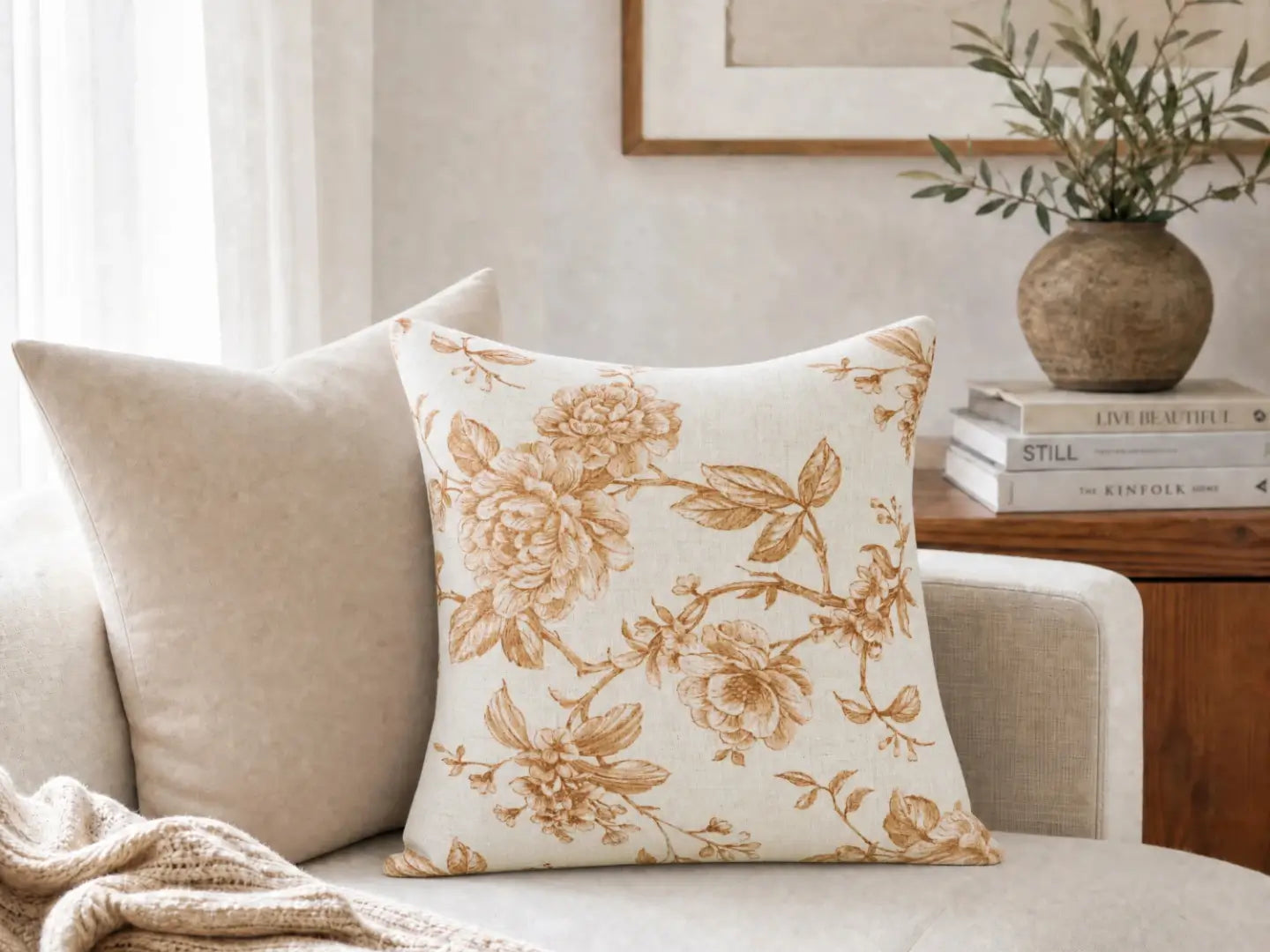
Patterns bring life and personality to your space. Stripes, flowers, or shapes can make your curtains stand out. If your walls and furniture are plain, patterned curtains add color and fun. Just pick a pattern that matches your room’s colors.
Tip: Use patterns carefully in small rooms. Too many can feel messy.
Use Textures for Extra Style
Textures make your curtains look special. Velvet feels fancy and warm, while linen is light and breezy. Fabrics like jacquard or embroidery add detail without needing bright colors.
You can also layer textures. Combine sheer curtains with heavier ones for a stylish look. Sheers let sunlight in, and thick curtains give privacy when needed.
Mix Style with Function
Curtains should look good and work well. Patterned blackout curtains can block light and still look stylish. If you want easy care, choose fabrics that don’t fade and are simple to clean.
Think about how you use your living room. Whether you want cozy, dramatic, or elegant curtains, patterns and textures can help you get the perfect look.
Test and Finalize the Perfect Curtain Color
Try Swatches in Your Living Room
Before picking a curtain color, test fabric swatches first. Swatches help you see how colors and textures fit your room. Hold them next to walls, furniture, and other fabrics to check for balance. Dallas, a design expert, suggests starting with a rug or sofa fabric for inspiration. For a simple look, Daria Demin recommends matching swatches to your wall color. For a bold style, pick a pattern or color that stands out.
Tip: Don’t just glance at swatches. Place them on furniture or near windows to see how they’ll look in real life.
Check Colors in Different Lighting
Lighting changes how curtain colors appear. Daylight can make colors bright, while lamps at night may dull them. Montgomery, another design expert, advises testing swatches at home to see how lighting affects them. Put swatches near windows and under lights to notice these differences.
Pro Tip: If your living room gets lots of sunlight, choose fade-resistant fabrics. This keeps your curtains looking new over time.
Take Your Time to Choose
Picking curtains takes time and thought. Room style, window size, and fabric all matter. There are many curtain types, each with its own look. Montgomery suggests small prints for living rooms and saving bold colors for dining areas.
Note: Think about the future. Will your curtain color still match if you redecorate later? Taking time to decide ensures you’ll love your choice for years.
Choosing the perfect curtain color for your living room doesn’t have to be overwhelming. By understanding your space, deciding how your drapes will function, and testing options, you’ll find the right fit. Whether you go bold, neutral, or patterned, the right drapes can transform your living room into a space that feels uniquely yours. Enjoy the process, and trust your instincts to create a room you’ll love.
FAQ
How can I match curtain colors with my walls?
Pick curtains a bit lighter or darker than your walls. This keeps the room looking balanced. For a bolder look, try complementary colors that stand out but don’t overpower.
Tip: Test fabric samples by holding them next to your walls.
Should I go for solid or patterned curtains?
Solid curtains are great if your room has lots of decor. Patterns work well in simple spaces to add style. If your room feels plain, patterned curtains can make it more lively.
How do I test curtain colors before buying?
Get fabric samples and place them near windows, walls, and furniture. Look at them during the day and at night under lights.
Pro Tip: Spend time checking how the colors change in different lighting before choosing.