

















Pet-Friendly Curtains: How to Choose Window Treatments That Survive Claws, Fur, and Chaos

Pets bring joy, love, and… lots of fur. If you live with cats or dogs, you know how quickly their playful antics can wreak havoc on your home décor—especially your curtains. Choosing the wrong fabrics or hardware can lead to shredded panels, constant cleaning, and potential hazards. The good news? With smart design choices, you can enjoy stylish window treatments that also stand up to pet life.
According to the American Pet Products Association (APPA), two-thirds of U.S. households now own a pet, making pet-friendly home design a rising trend in 2025. This guide will show you how to create a beautiful, safe, and durable window setup for your furry friends.
Why Pet-Friendly Curtains Matter
Living with pets means adapting your home to their behaviors. Pets don’t just exist in our spaces—they interact with them constantly. Curtains become climbing posts, hiding spots, and chew toys. If you’ve ever come home to find a shredded sheer or paw prints on a white drape, you know the struggle is real. That’s why pet-friendly curtains are more than just a décor choice; they’re a functional necessity.
Key considerations:
-
Durability: Pets often climb, scratch, or tug at curtains.
-
Safety: Dangling cords and unstable rods can be dangerous.
-
Cleanliness: Fur, dander, and muddy paws can quickly ruin delicate fabrics.
-
Longevity: Choosing the right materials saves money over time.
Best Curtain Fabrics for Homes with Pets
Choosing the right fabric is the foundation of a pet-proof curtain setup. Some fabrics naturally resist claws, while others can be ruined in minutes.
-
Tightly Woven Fabrics
Microfiber, canvas, and tightly woven cotton are excellent choices. Their dense weave resists snags from claws and reduces the likelihood of tearing. A study from the University of Nebraska-Lincoln notes that tightly woven textiles last 3x longer in high-traffic households. -
Performance Fabrics
These are engineered to resist stains, moisture, and wear. Many are treated with protective coatings, making them easy to wipe clean and ideal for pet homes. -
Outdoor-Grade Fabrics
Fabrics meant for outdoor use are built to withstand UV rays, moisture, and heavy use. They are a great option indoors when you have energetic pets.
Fabrics to avoid: silk, linen, chenille, velvet—these can snag easily and show pet hair prominently.
For more fabric insights, check Freshinlife’s eco-friendly fabrics guide.
Curtain Styles That Work with Pets
Some curtain styles naturally discourage pet mischief.
-
Short Curtains or Café Curtains: These end above the windowsill, keeping fabric out of paw’s reach.
-
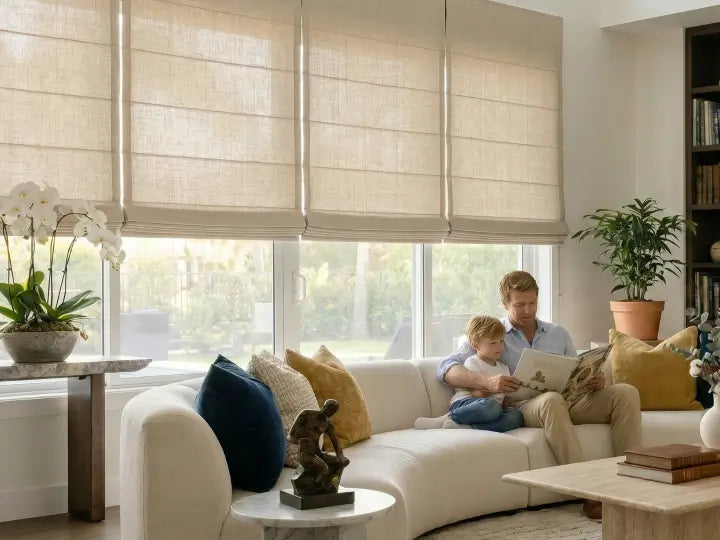
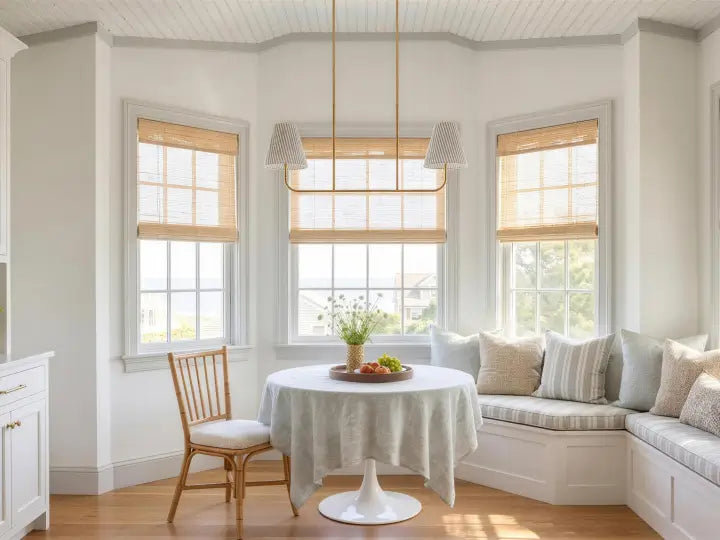
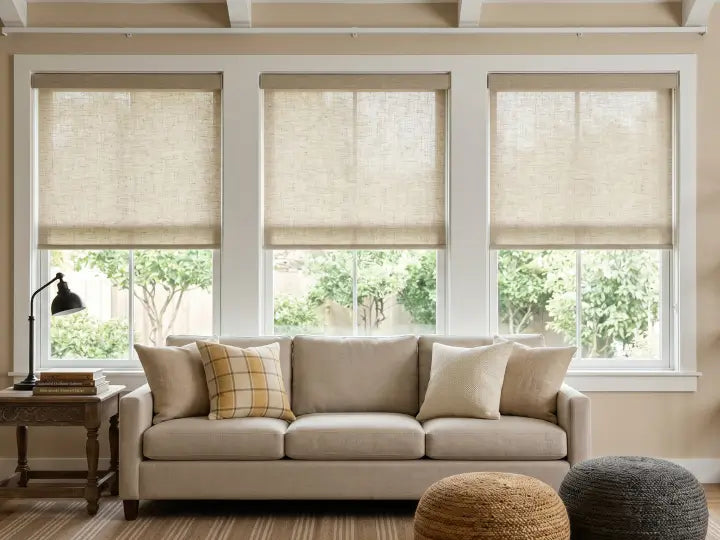
Roman Shades or Roller Shades: Since they don’t sway or drape, pets are less tempted to play with them.
-
Tab-Top or Grommet Styles: These are sturdy and less likely to come down if a pet tugs at them.
-
Layered Sheer Panels: Easy to remove, wash, and replace when soiled or damaged.
Pro Tip: Use decorative valances on top and short panels on the bottom for a stylish yet safe combination.
Safety First: Child- and Pet-Safe Hardware
The Consumer Product Safety Commission (CPSC) warns that cords from window coverings are a leading hazard for both children and pets. Tangled cords can cause strangulation or injury, making cordless designs essential.
Recommendations:
-
Use cordless or motorized curtains.
-
Ensure curtain rods are anchored into wall studs.
-
Use tiebacks or holdbacks to keep curtains off the floor.
-
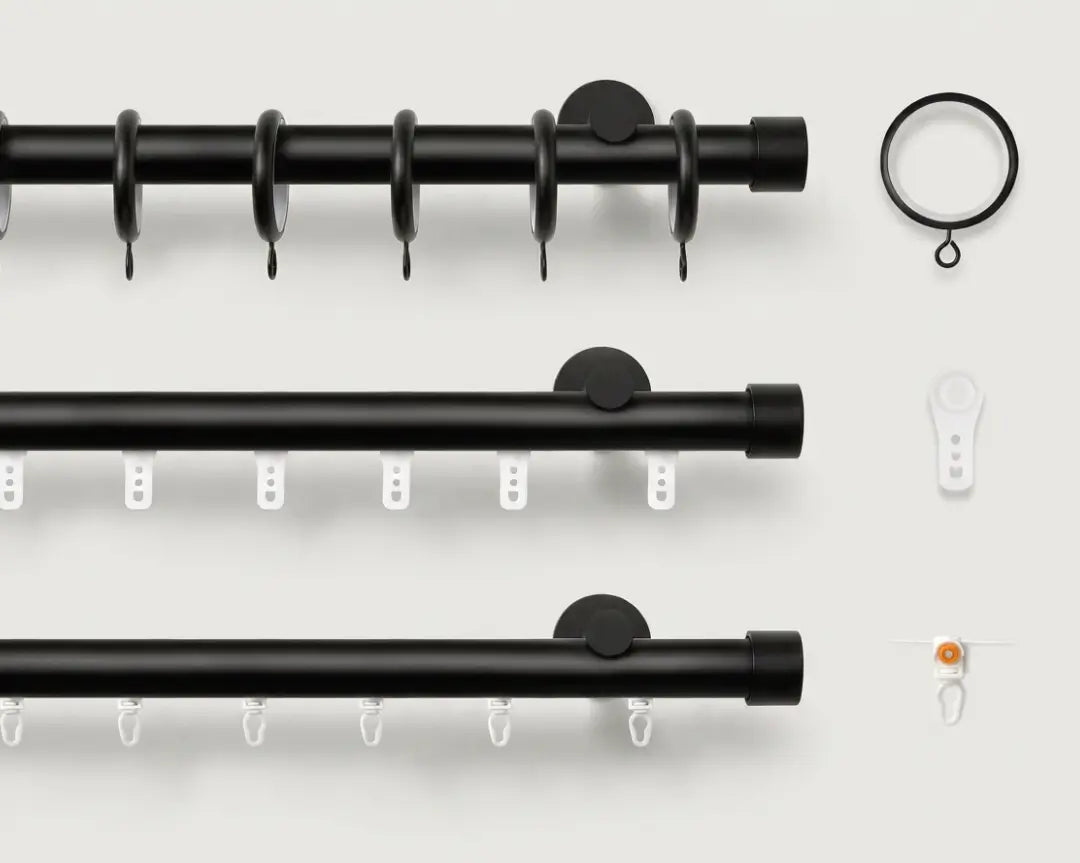
Choose heavy-duty brackets that can support the weight of both the curtains and a climbing cat.
For more on hardware, see Freshinlife’s guide to curtain hardware.
Cleaning and Maintenance for Pet-Friendly Curtains
Maintaining your curtains is just as important as choosing the right ones. Pet-friendly curtains should be easy to clean to keep your space hygienic and allergen-free.
Practical cleaning strategies:
-
Vacuum weekly with a brush attachment to remove hair and dander.
-
Use lint rollers or damp rubber gloves for daily fur removal.
-
Choose machine-washable panels to save time and effort.
-
Spot clean with pet-safe stain removers for muddy paw prints or accidents.
The American Veterinary Medical Association (AVMA) emphasizes the importance of reducing allergens in multi-pet homes, and curtain hygiene is part of that effort.
Design Tips That Work for Pets & Humans
Your home should look good while staying functional for your pets. A few clever design strategies can help.
-
Patterned fabrics camouflage fur, stains, and wear.
-
Neutral or pet-colored tones blend in with shedding.
-
Blackout liners help pets nap during the day while keeping rooms cool.
-
Smart curtains open and close automatically, preventing pets from playing with them when you’re away.
-
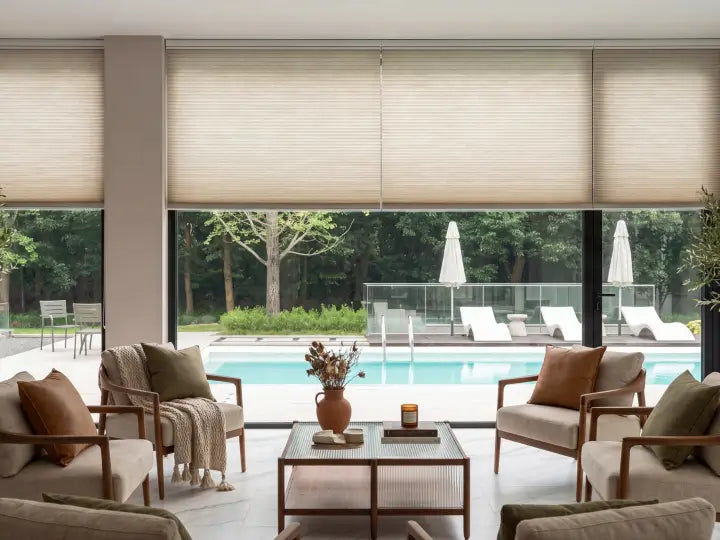
Top-down/bottom-up shades let in light while keeping the lower window covered, away from pets.
Cost Considerations
Pet-friendly curtains can be more expensive upfront, but they pay off by lasting longer and needing fewer replacements.
| Item | Average Price (USD) |
|---|---|
| Basic pet-friendly curtains | $40–$150 per panel |
| Cordless hardware upgrades | $30–$100 |
| Motorized systems | Starting at $150 per window |
| Performance fabric add-on | $20–$50 per panel |
Investing in durable products now can save hundreds of dollars over the lifetime of your home.
Long-Term Benefits of Pet-Friendly Curtains
-
Lower replacement costs
-
Reduced allergens and cleaning effort
-
Improved home safety
-
Enhanced resale value (pet-friendly features are attractive to buyers)
-
A calmer environment for both you and your pets
A Zillow survey found that homes with pet-friendly features sell faster and often at a premium.
Conclusion
Living with pets doesn’t mean sacrificing style. By selecting durable fabrics, safe hardware, and easy-to-clean designs, you can create a beautiful home that works for both you and your furry friends. With the right choices, your curtains can survive claws, fur, and chaos—and still look fabulous.
FAQs: Pet-Friendly Curtains
1. Can cats climb blackout curtains?
Yes, but tightly woven fabrics resist snagging better than loose weaves.
2. How do I stop pets from pulling down curtains?
Use secure rods, cordless systems, and shorter curtain styles.
3. Are sheer curtains bad for homes with pets?
Not if layered and kept out of reach; they’re easy to replace if damaged.
4. What’s the safest curtain type for pets?
Cordless roller shades or short café curtains are safest and hardest to pull down.
5. How often should I wash pet-friendly curtains?
Every 1–2 months, or more frequently if pets shed heavily.
6. Can smart curtains work in a pet home?
Yes—automated systems keep curtains out of reach when you’re away.
7. Are pet-friendly curtains expensive?
They can be affordable and last longer, saving money in the long run.