

















Fabric Engineering & Feline Behavior: Are Velvet Curtains Really Cat-Proof?

Executive Summary & Core Argument
In the intersection of modern interior design and pet behavioral science, balancing high-end aesthetics with the inherently destructive instincts of felines is a notorious challenge. For households with cats, curtains—occupying massive vertical space—are prime targets for climbing, scratching, and territorial marking.
This brings us to one of the most highly debated questions in the home decor industry: Can cat owners actually buy velvet curtains?
Drawing on materials engineering, feline behavioral biology, and empirical scratch-test data, the answer is a resounding yes. In fact, modern high-performance synthetic velvet is one of the ultimate physical defenses against cat claws. However, the primary bottleneck of choosing velvet isn’t physical tearing—it is managing its incredibly high pet hair retention and static cling.
Thanks to its unique "cut-pile" construction, velvet naturally deprives cat claws of the "hooking points" they desperately seek. Claws simply slide off the fabric, causing cats to quickly lose interest. Yet, this dense microscopic forest of fibers also acts as a powerful static magnet for floating pet dander and fur. Therefore, installing velvet in a pet-friendly home shifts the challenge from preventing fabric destruction to mastering static management and routine hair removal.
This comprehensive guide breaks down the biomechanics of cat scratching, fabric micro-topology, empirical scratch ratings, and the modern maintenance protocols required to keep your luxury drapes looking pristine.
The Biomechanics & Environmental Drivers of Feline Scratching
To scientifically evaluate any fabric’s scratch resistance, we must first strip away human anthropomorphism and understand the biological logic behind a cat’s urge to scratch. Veterinary studies show that cats do not destroy pet-friendly curtains out of malice; they are fulfilling non-negotiable physiological and psychological needs.
Scent Glands and 3D Territorial Marking
Feline anatomy features a dense network of exocrine scent glands located in and around their paw pads. When a cat intensely scratches a vertical surface—like heavy drapes—it is performing a complex, dual-layered territorial ritual. First, the visible scratch marks serve as a visual display of dominance. Second, the friction forces unique pheromones deep into the fabric fibers, leaving a long-lasting chemical scent marker. Floor-to-ceiling curtains are highly targeted because scratching at a high vertical point demonstrates the cat's size and upper-body strength to potential rivals.
Hooking Resistance and Shedding the Keratin Sheath
From a physiological standpoint, cat claws grow in layered, onion-like sheaths. To keep their primary hunting tools razor-sharp, cats must regularly shed the dead, translucent outer keratin layer. To do this efficiently, they actively seek materials that provide maximum "hooking resistance."
When a curved cat claw penetrates a loose weave or an unclosed fabric loop, the fabric’s grid locks the claw in place. The cat then uses its back and shoulder muscles to pull backward, effortlessly shedding the old sheath. This explains why cats are naturally obsessed with loose weaves, elevated threads, and looped fabrics. It is the fundamental reason why linen, tweed, and chenille inevitably become feline scratching casualties.
Textile Micro-Topology: Why Velvet Defeats Claws
Once we understand what cats need to scratch successfully, it becomes clear why velvet excels in empirical scratch-testing. It’s important to clarify that in the modern textile industry, "velvet" is not a specific raw material (it can be woven from silk, cotton, polyester, or nylon), but rather a highly specialized weaving and finishing process.
The Cut-Pile Process and the "Deflection Effect"
Traditional fabrics feature intersecting horizontal and vertical yarns, inevitably leaving microscopic gaps. Velvet, however, utilizes a cut-pile technique. Extra yarns are woven into the base to form loops, which are then precisely sliced open by sharp blades. This creates a dense, upright "forest" of short, incredibly tightly packed fibers.
This architecture gives velvet a two-fold physical advantage against cats:
-
The Base Shield: The underlying weave is exceptionally tight. A cat's nail cannot easily penetrate the structural skeleton of the fabric to reach weight-bearing fibers.
-
The Deflection Effect: Because the surface is covered in ultra-smooth, uniform short fibers, there are absolutely zero closed loops or loose threads for a claw to "hook" onto.
When a cat attempts to scale or scratch a velvet curtain, its front legs cannot establish an anchor point. Gravity takes over, and the claws simply slide down the surface. Lacking the physical resistance required to shed their claw sheaths, cats generally abandon velvet fabrics entirely.
Material Grading: Natural Luxury vs. Modern Synthetic Tech Velvet
Not all velvets are created equal. If you are aiming for timeless luxury, you must strictly evaluate the fabric's chemical composition.
Historically, royal velvet was made from pure silk or high-thread-count cotton. While undeniably gorgeous, natural velvet has low tensile strength and poor memory return. Under the weight of a jumping cat, natural velvet crushes easily, leaving permanent indentations.
Conversely, the true heroes of the pet-friendly home are Synthetic Performance Velvets and Microfiber Velvets (typically engineered from modified polyester). As highlighted in this comprehensive curtain fabric guide, these high-tech fabrics amplify the "deflection effect" while boasting a tensile strength that exponentially surpasses natural fibers. Even if a heavy cat attempts a deep scratch, the dense microfiber foam-like structure instantly rebounds, hiding any microscopic claw indentations.
Empirical Scratch Test Data & Fabric Comparison Matrix
In industrial textile testing, a fabric's durability is measured using the Martindale Abrasion Tester. Premium pet-friendly performance velvets routinely survive upwards of 100,000 cycles of aggressive sandpaper friction without pilling or losing structural integrity.
Here is how popular interior soft furnishing fabrics rank in a cat-owning household:
| Fabric Category | Physical Scratch Resistance | Hair Repellency | Micro-Structure & Failure Mode | Overall Recommendation |
| Synthetic Performance Velvet | Very High | Very Low | Zero Hooking Points: High-density cut-pile. Claws slide off, making it physically indestructible to cats. However, high static cling locks onto loose fur. | ⭐⭐⭐⭐ (Highly Recommended, requires maintenance) |
| Microfiber / Ultrasuede | Very High | Medium | Dense Flat Mesh: Mimics suede but tightly woven. Extremely scratch resistant. Less 3D depth than velvet, meaning less fur trapping. | ⭐⭐⭐⭐⭐ (Ultimate Choice) |
| Heavy Canvas / Sunbrella | High | High | Compacted Barrier: Rigid, heavy, and tightly woven. Highly durable and fur-repellent, but lacks the luxurious drape of velvet. | ⭐⭐⭐⭐ (Great for function, limits aesthetics) |
| Linen / Tweed | Low | Medium-High | Grid Gaps: Natural loose weaves allow claws to easily penetrate, snap individual threads, and cause permanent holes. | ❌ (Avoid) |
| Chenille | Very Low | Very Low | Structural Failure: Composed of thousands of tiny unclosed loops. The absolute perfect target for a cat's claw, resulting in catastrophic snagging. | ❌ (Strongly Avoid) |
The Velvet Maintenance Paradox: Static Electricity and Hair Adhesion
While high-density velvet is virtually immune to tearing, it comes with a major caveat: it is the ultimate physical magnet for pet hair, dander, and airborne dust.
Modern synthetic velvets are made from polymers (like polyester), which sit on the negative end of the triboelectric series. Because they are insulators, they rapidly accumulate static electricity—especially in dry winter months or when your cat brushes against the hem of the drapes. Simultaneously, the microscopic, 3D "forest" of the velvet pile acts as a geometric trap. A cat's ultra-fine undercoat gets physically tangled in the upright fibers, locked in place by Coulomb forces (static attraction).
Modern Domestic Engineering: Efficient Hair Removal Protocols
To keep your velvet drapes pristine, you must abandon traditional brushing and utilize friction physics. For a deeper dive into extending the life of your drapery, read this ultimate guide to cleaning and caring for your curtains.
-
The Damp Rubber Glove Hack (The Gold Standard): Put on a standard yellow rubber dishwashing glove. Run it under water and shake off the excess so it is only slightly damp. Press your hands against the velvet and swipe downward in the direction of the pile. The damp rubber drastically increases dynamic friction while the moisture instantly neutralizes the static charge. The fur will ball up into neat, easily disposable clumps.
-
Fabric Softener Static Shield: Mix a 1:1 ratio of liquid fabric softener and distilled water in a fine-mist spray bottle. Lightly mist the curtains from 12 inches away before cleaning. The cationic surfactants in the softener neutralize negative static charges and create a microscopic lubricating film, causing hair to fall away easily and preventing future buildup.
-
Machine Washing: Unlike fragile silk velvets of the past, modern synthetic velvet is highly stable. Most can be washed in a cold machine cycle. Never tumble dry synthetic velvet, as heat will permanently melt and crush the pile; always air dry.
-
Warning: Avoid using rough pumice stones on velvet, as they can violently rip out the cut-pile fibers and permanently ruin the fabric's sheen.
High-Tech "Cat-Proof" Fabric Innovations
The textile industry has aggressively evolved. Today, you aren’t just buying velvet; you are buying engineered smart fabrics. If you are exploring options, check out this comprehensive guide to linen, cotton, velvet, and silk.
-
Nano-Coated Water Resistance: Premium window treatments now feature invisible nano-coatings that alter surface tension. If a cat vomits or sprays, the liquid beads up like water on a lotus leaf, preventing structural staining and odors.
-
Silver-Ion Antibacterial Tech: Advanced pet fabrics incorporate antimicrobial technology (like silver ions) to actively suppress bacterial growth from pet sebum and saliva, improving indoor air quality.
-
Visual Finishes: Choose your velvet sheen wisely. High-Matte Velvet absorbs light and hides micro-flaws beautifully, though white cat hair will pop against dark matte colors. Soft-Sheen Velvet offers the most versatile, forgiving aesthetic for living rooms. Light-Reflective Velvet offers vintage opulence but acts as a mirror for any stray hair or physical indentation.
Spatial Behavior Interventions: Redirecting the Claws
Even with the ultimate defensive fabric, animal behaviorists stress that physical barriers must be paired with environmental redirection. You cannot simply block a cat's instinct; you must provide a superior alternative.
-
Strategic Topography: Place a tall, heavy sisal scratching post directly next to the velvet curtains they used to target. If they prefer stretching vertically, a horizontal cardboard scratcher won't cut it.
-
Sensory Deterrents: Temporarily apply double-sided sticky tape or hang strips of aluminum foil at the base of the curtains. The slick texture and sharp metallic noise startle cats, quickly teaching them to avoid the area. You can also lightly mist diluted citrus essential oils near the baseboards, as cats naturally detest the scent.
-
Humane Upkeep: Keep your cat's nails trimmed and consider soft silicone claw covers. Never declaw a cat, as it is an inhumane amputation that leads to lifelong pain and severe behavioral issues.
-
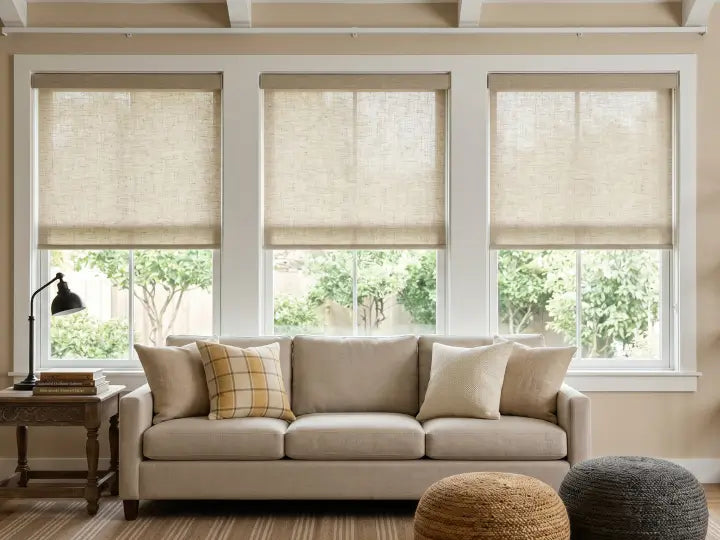
Kitten Management: For chaotic kittens in the active training phase, consider installing durable roller shades or zebra blinds as a temporary, indestructible barrier until they learn household boundaries.
Conclusion
Can cat owners have velvet curtains? The answer is a resounding yes.
By strictly avoiding flimsy natural velvets and chenille, and instead investing in high-density, modern synthetic performance velvet, you effectively neutralize your cat's ability to destroy your window treatments. The claws will simply slide off. However, this invincible physical shield comes at the cost of high static and fur accumulation.
By implementing strategic cleaning protocols—like the damp rubber glove technique and anti-static sprays—and respecting your cat's natural instincts through environmental redirection, you can absolutely achieve a home that is both a feline paradise and a masterclass in high-end luxury design.