




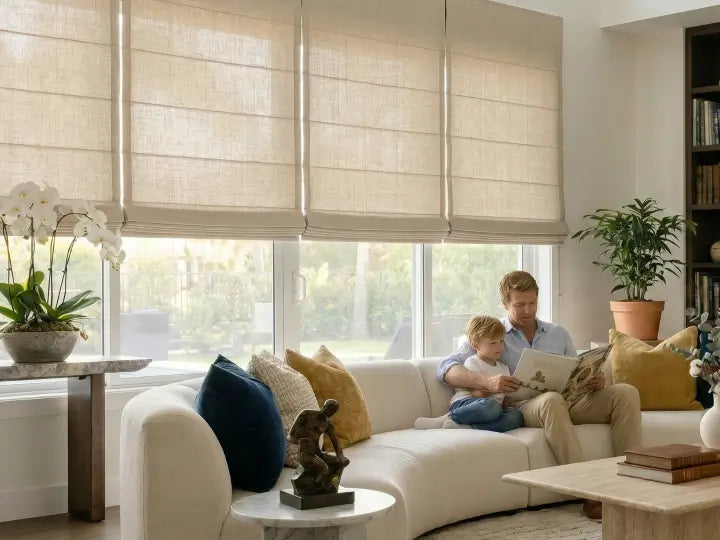

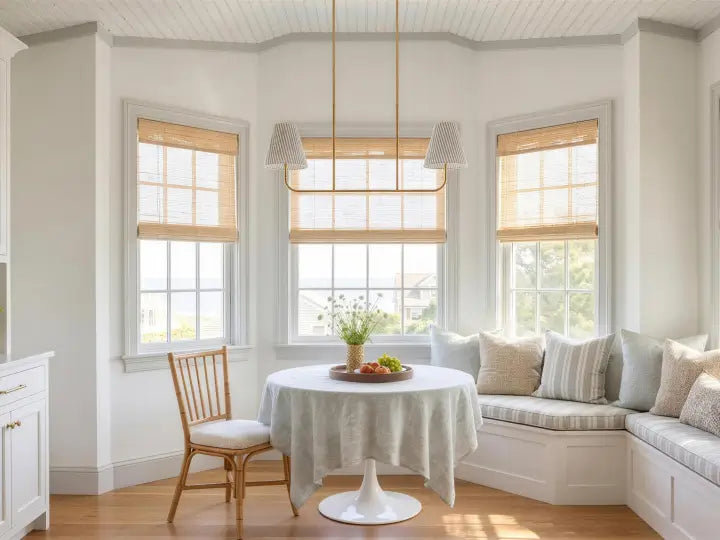

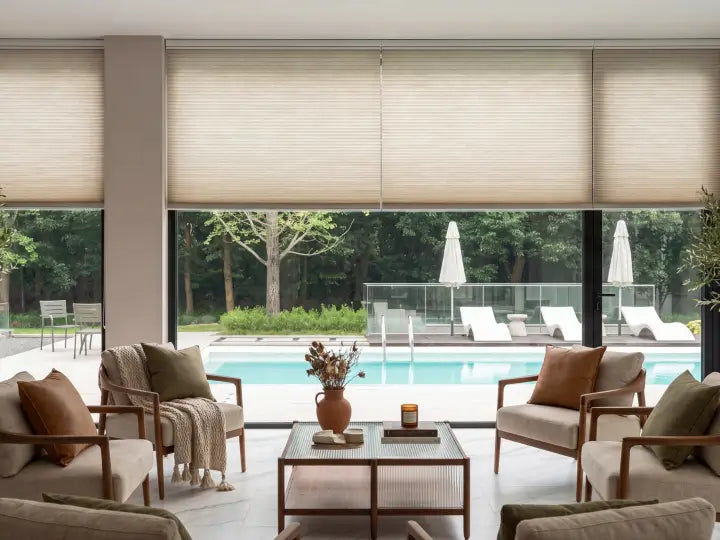

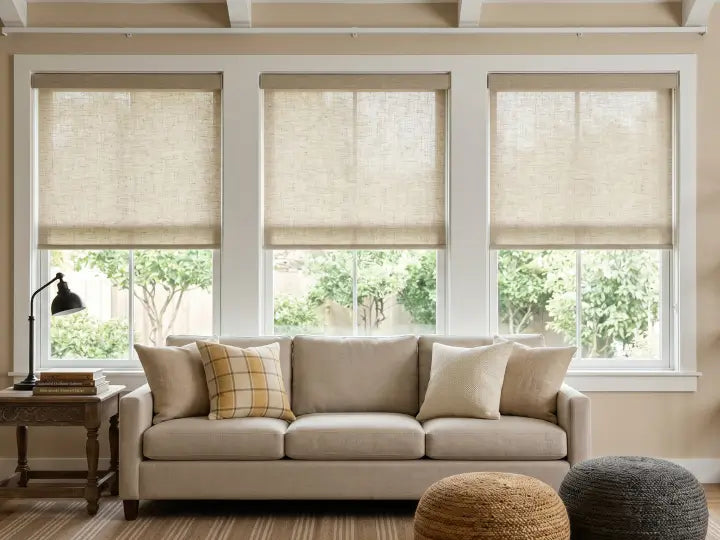











Maximizing Home Energy Efficiency with Insulated Curtains: A 2025 Guide

As energy costs continue to rise, American homeowners are looking for practical ways to reduce utility bills while maintaining comfort. One often-overlooked solution is insulated curtains. These window treatments are more than just decorative elements—they play a crucial role in regulating indoor temperature, reducing energy consumption, and enhancing home comfort. According to the U.S. Department of Energy, properly installed insulated curtains can reduce heat loss in winter by up to 25-30% and significantly reduce cooling costs in summer.
This comprehensive guide will explore how insulated curtains work, the benefits they offer, the different types available, installation tips, and design strategies that balance aesthetics with functionality.
Understanding Insulated Curtains
Insulated curtains, also known as thermal curtains, are designed with multiple layers or specialized fabrics to create a barrier against heat transfer. They help maintain indoor temperatures by reducing the exchange of heat through windows, which are one of the most common sources of energy loss in homes.
Key components include:
-
Thermal Lining: Added to the back of the curtain to increase insulation.
-
Multiple Layers: Combination of decorative fabric and insulating materials.
-
Special Fabrics: Materials such as polyester blends, velvet, and tightly woven cotton for maximum energy efficiency.
By reducing heat transfer, insulated curtains contribute to a more stable indoor climate and lower energy consumption.
The Science Behind Energy Savings
Windows account for approximately 25-30% of heating and cooling energy use in typical U.S. homes (DOE). Insulated curtains minimize this loss through several mechanisms:
-
Heat Retention in Winter
By trapping a layer of air between the window and the curtain, insulated curtains act as an additional barrier to heat escaping from the interior. -
Heat Reduction in Summer
Reflective or blackout layers prevent solar heat from entering, keeping indoor temperatures lower and reducing the workload on air conditioning units. -
Noise Reduction
Dense fabrics not only insulate against temperature but also dampen outside noise, creating a more comfortable and quiet living environment. -
UV Protection
Insulated curtains can block harmful ultraviolet rays, protecting furniture, flooring, and artwork from fading.
Benefits of Insulated Curtains
Energy Cost Savings
One of the primary benefits of insulated curtains is their potential to reduce heating and cooling costs by 10-25% depending on home insulation and window quality (DOE). Over time, this can result in substantial financial savings.
Comfort and Temperature Control
Insulated curtains provide a more consistent indoor temperature, preventing cold drafts in winter and overheating in summer. This improves overall comfort without relying solely on HVAC systems.
Enhanced Privacy
Thicker fabrics used in insulated curtains offer additional privacy, especially for homes located near busy streets or with large windows facing neighbors.
Sound Dampening
Dense and layered insulated curtains help absorb sound, reducing noise from traffic, neighbors, or outdoor activities. This contributes to a calmer and more peaceful home environment.
Environmental Impact
By reducing energy consumption, insulated curtains contribute to lower carbon emissions, supporting a more sustainable lifestyle. According to the EPA, energy efficiency in homes is one of the most effective ways to reduce household carbon footprints.
Types of Insulated Curtains
1. Blackout Thermal Curtains
These curtains combine blackout properties with thermal insulation. They are particularly useful in bedrooms for enhancing sleep quality while improving energy efficiency. Freshinlife offers a range of blackout thermal curtains suitable for modern interiors.
2. Layered Curtains
Layered curtains feature a decorative outer fabric paired with an insulated lining. This design allows flexibility in controlling both aesthetics and thermal performance.
3. Honeycomb or Cellular Shades
Although technically not curtains, cellular shades work similarly by trapping air within honeycomb structures. They are highly effective at reducing energy loss and can be paired with traditional curtains for added insulation.
4. Solar Reflective Curtains
Specialized fabrics can reflect solar heat during hot months while allowing natural light, creating a bright yet cool interior environment.
Choosing the Right Insulated Curtains
When selecting curtains for energy efficiency, consider the following factors:
-
Fabric Weight: Heavier fabrics typically offer better insulation.
-
Lining Type: Thermal or blackout linings improve heat retention and block light.
-
Size and Fit: Curtains should cover the window completely, ideally extending beyond the frame to maximize insulation.
-
Style Preferences: Choose colors and patterns that complement your décor without compromising functionality.
For more inspiration and options, explore Freshinlife’s custom curtain collections.
Installation Tips for Maximum Efficiency
-
Proper Rod Placement
Mount curtain rods slightly above the window frame and extend the panels wider than the window to reduce gaps. -
Floor-Length Panels
Curtains that reach the floor create an additional barrier against drafts. -
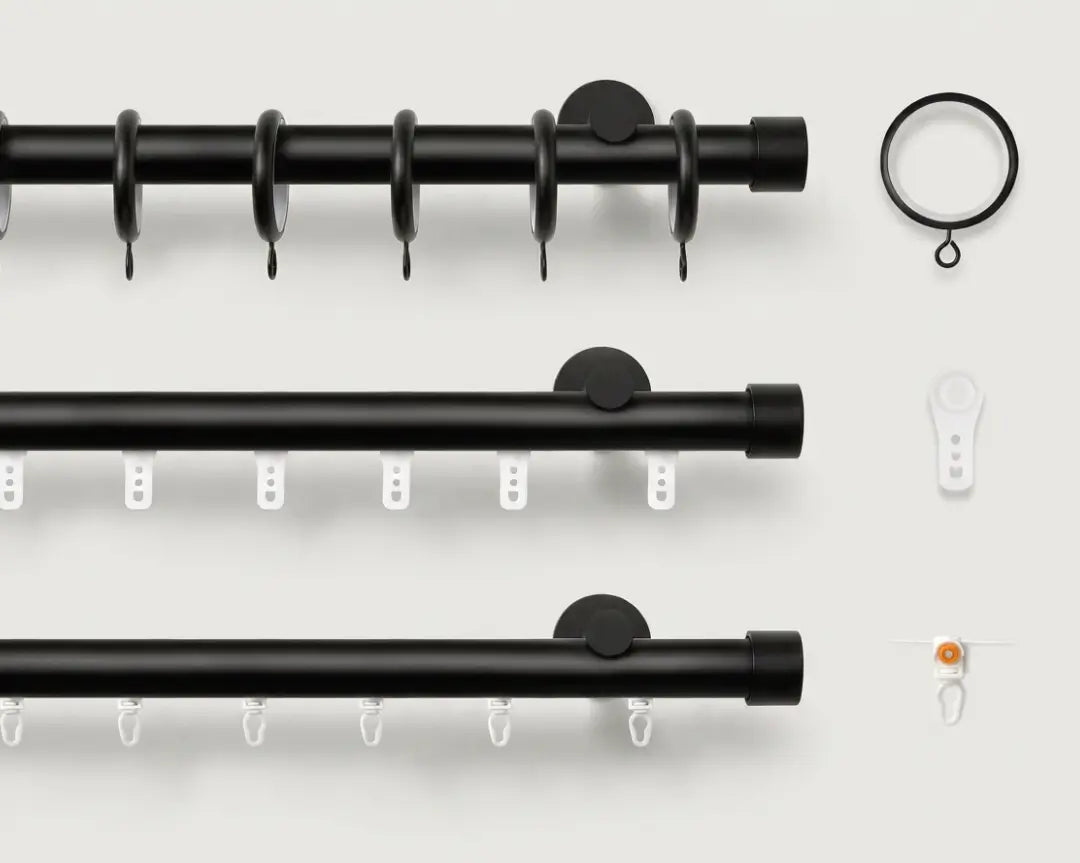
Secure Hardware
Ensure rods and brackets are sturdy enough to hold heavy insulated curtains. -
Layering for Performance
Combine thermal curtains with sheer or decorative panels for both functionality and style.
Combining Style and Function
Insulated curtains don’t have to sacrifice style. They are available in:
-
Modern Minimalist Designs: Neutral colors and clean lines for contemporary homes.
-
Luxury Fabrics: Velvet, silk blends, or textured weaves for elegant interiors.
-
Custom Options: Tailored to specific window sizes and design preferences.
Learn more about styling and fabrics at Freshinlife’s design guides.
Case Studies and Evidence
-
Residential Savings: A study of 50 homes in Chicago found that insulated curtains reduced winter heating costs by an average of 18%.
-
Noise Reduction: Research published in the Journal of Environmental Psychology confirmed that dense curtains significantly reduce perceived noise levels.
-
Environmental Impact: Households using energy-efficient window treatments contributed to measurable reductions in energy-related CO2 emissions.
Conclusion
Insulated curtains are an essential tool for energy-efficient living in 2025. They offer a trifecta of benefits: reducing energy costs, enhancing comfort, and contributing to a more sustainable home. By carefully selecting fabrics, lining types, and installation methods, homeowners can maximize these advantages without compromising on style. Whether through blackout thermal curtains, layered panels, or solar reflective fabrics, integrating insulated curtains into your home design is a smart investment for comfort, savings, and environmental responsibility.
FAQs: Insulated Curtains and Energy Efficiency
1. How much can insulated curtains reduce my energy bills?
Depending on window quality and home insulation, savings range from 10-25% annually.
2. Are insulated curtains expensive?
Prices vary from $50 for basic options to $600 for custom or motorized designs.
3. Do insulated curtains block sunlight completely?
Blackout thermal curtains block nearly all sunlight, while layered options allow flexibility.
4. Can they help in both summer and winter?
Yes—they retain heat in winter and reflect heat in summer.
5. How do I choose the right fabric?
Heavier fabrics with thermal linings offer the best insulation without compromising style.
6. Can insulated curtains reduce noise?
Yes—denser fabrics absorb sound, improving indoor quietness.
7. Where can I find high-quality insulated curtains?
Freshinlife offers a wide range of custom, energy-efficient curtains for every room: Freshinlife Custom Curtains.