



















The Art of Layered Curtains: How to Combine Sheer and Blackout Panels for Style and Function

Layering curtains is one of the simplest yet most powerful ways to transform the look and feel of your home. Instead of choosing between light and privacy, warmth and airiness, you can have it all — style, flexibility, and functionality.
In this guide, we’ll dive into how layered curtains work, the design principles behind them, and practical tips for combining sheer and blackout panels beautifully. We’ll also explore how layered window treatments can improve energy efficiency and enhance the mood of any space.
Why Layer Curtains?
Layering curtains involves combining two or more panels — usually sheer curtains in front and blackout or heavier drapes behind. This design approach offers:
-
Light control — Sheers diffuse sunlight during the day, while blackout panels block unwanted light at night.
-
Privacy — You can enjoy natural light without exposing your home to outside eyes.
-
Energy savings — Blackout layers provide insulation, keeping heat in during winter and out during summer (Energy.gov).
-
Visual depth — Layers add richness, texture, and a custom-designed look.
Freshine offers a wide selection of sheer curtains and blackout curtains that can be paired together for a perfectly layered effect.
Choosing Your Base: Sheer Curtains
Sheer curtains are the foundation of any layered design. They filter sunlight gently and create a soft, airy vibe.
Best fabrics:
-
Voile (lightweight and floaty)
-
Linen sheers (natural texture, breathable)
-
Organza (crisp and slightly shimmery)
→ See Freshine’s linen sheer collection for inspiration.
Tips:
-
Hang sheers close to the window frame.
-
Choose light or neutral colors to brighten the room.
-
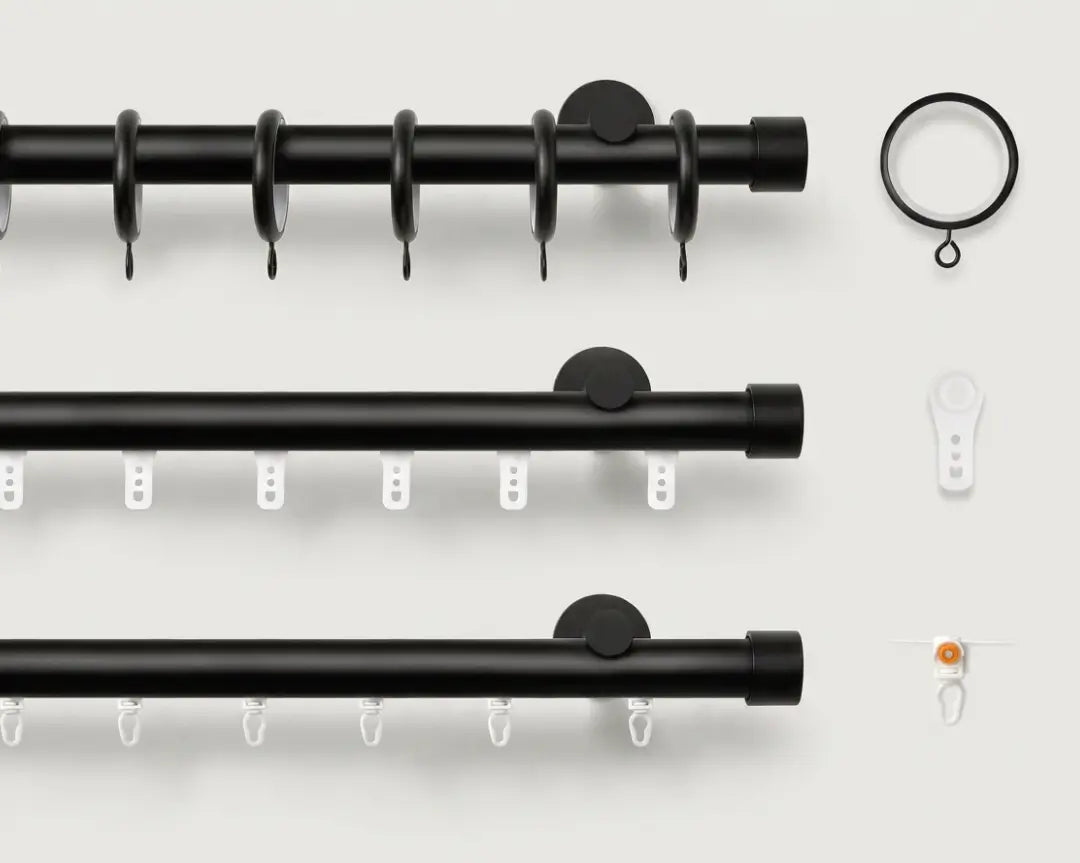
Use double curtain rods or tracks for smooth layering.
The Anchor: Blackout or Heavy Drapes
Blackout panels are your second layer, adding structure, privacy, and light blocking. They also help insulate your windows for year-round comfort.
Popular options:
-
Velvet (luxurious, thick, and sound-absorbing)
-
Heavy cotton or twill (classic and durable)
-
Recycled polyester blackout fabrics (eco-friendly choice)
→ Try Freshine’s blackout curtains.
Tips:
-
Install on the outer rod so they can fully cover the sheers.
-
Choose deeper, richer tones for a cozy and dramatic effect.
-
Consider thermal or lined versions to boost energy savings.
Styling Layered Curtains
Layered curtains aren’t just functional — they’re a powerful design element. Here’s how to make them look stunning:
-
Contrast textures: Pair airy linen sheers with smooth velvet blackout panels for dimension.
-
Play with color: Combine soft white sheers with navy or charcoal blackout drapes for contrast.
-
Add tiebacks: Use elegant tiebacks to pull blackout panels aside and frame your window during the day.
-
Go floor-to-ceiling: Hanging both layers high and wide makes windows appear taller and the room more spacious.
For more inspiration, visit the Freshine Curtain Style Guide.
Practical Benefits Beyond Aesthetics
Layering isn’t only about looks — it’s a smart, functional choice.
Energy Efficiency
Blackout panels act as thermal barriers, while sheers soften glare and heat. Studies show insulated curtains can cut heat loss by up to 25% (Energy Star).
Sound Dampening
Thicker layered curtains help absorb sound, creating a calmer, quieter indoor space — perfect for bedrooms or home offices.
Flexible Lighting
You can adjust light levels throughout the day simply by opening or closing the outer layer, without fully exposing your windows.
How to Install Layered Curtains
Tools you’ll need:
-
Double curtain rod or ceiling track
-
Mounting hardware
-
Curtain hooks or rings
-
Measuring tape and level
Steps:
-
Measure window width and height accurately.
-
Install the double rod brackets above and wider than the frame.
-
Hang sheers on the inner rod first.
-
Hang blackout panels on the outer rod.
-
Adjust length and fullness for a balanced, luxurious look.
See Freshine’s complete curtain measuring guide for step-by-step visuals.
Maintenance Tips
Layered curtains require minimal care if you follow these basics:
-
Vacuum with a soft brush attachment every few weeks to remove dust.
-
Wash sheers every 3–4 months (most are machine washable).
-
Dry clean blackout or lined drapes to preserve their shape.
-
Rotate panels every 6 months to ensure even sun exposure and wear.
For details, read How to Clean and Maintain Curtains.
Common Mistakes to Avoid
-
Curtains too short: Always aim for floor-length or slightly puddled panels.
-
Skimping on width: Panels should be at least 1.5–2x the window width for fullness.
-
Clashing colors or fabrics: Choose complementary tones and textures to avoid a chaotic look.
-
Blocking vents or radiators: Ensure panels can move freely and don’t block airflow.
FAQ
Q: Can I layer curtains on just one rod?
A: Technically yes, but they won’t move smoothly. A double rod or track is strongly recommended.
Q: Do I need blackout curtains in every room?
A: No. Bedrooms benefit most from blackout panels, while living rooms may only need light-filtering drapes.
Q: Are layered curtains child-safe?
A: Yes, as long as cords and tiebacks are kept out of reach. Consider cordless tiebacks for safety.
Q: How many layers is too many?
A: Two is ideal. More than three can feel heavy and cluttered unless carefully balanced by a designer.
The Bottom Line
Layered curtains bring together the best of both worlds — lightness and coziness, privacy and openness, beauty and performance. By combining sheer and blackout panels, you can create a dynamic, flexible space that adapts to your needs throughout the day.
Whether you’re designing a serene bedroom or a sophisticated living area, layered curtains are a timeless solution that elevates your home.