

















Eco-Friendly Curtains: How Sustainable Fabrics Can Transform Your Home

Sustainability is no longer just a buzzword — it’s a necessity. The textiles industry is one of the largest polluters on the planet, and the choices you make for your home can either add to the problem or help reduce it. Curtains might not be the first thing that comes to mind when thinking about eco-friendly living, but they should be.
This guide will walk you through why sustainable curtains matter, which eco-friendly fabrics and materials to look for, how to choose quality over quantity, and ways to extend their life. Along the way, you’ll discover that sustainability can actually mean better quality, better style, and better comfort.
Why Sustainable Curtains Matter
The textile industry is responsible for about 10% of global carbon emissions and 20% of industrial wastewater (United Nations Environment Programme). Every fabric has an environmental footprint — water use, energy, dye chemicals, transportation. Choosing sustainable curtains can significantly cut your home’s environmental impact.
Here’s how curtains tie directly into your home’s sustainability:
-
Energy efficiency — Well-chosen curtains improve insulation and reduce energy use for heating/cooling (U.S. Department of Energy).
-
Indoor air quality — Organic and OEKO-TEX-certified fabrics avoid toxic VOCs, improving your indoor environment.
-
Waste reduction — Buying quality, durable curtains reduces how often you replace them, lowering landfill waste.
Choosing eco-friendly curtains is not only good for the planet — it’s a healthier and often longer-lasting choice for your home.
What Makes a Curtain “Eco-Friendly”?
Not all fabrics are created equal. Look for these characteristics:
-
Natural and organic fibers — organic cotton, linen, hemp, bamboo
-
Recycled content — recycled polyester or upcycled textiles
-
Low-impact dyes — plant-based or low-water dye processes
-
Certifications like:
-
OEKO-TEX Standard 100 (tests for harmful substances)
-
GOTS (Global Organic Textile Standard)
-
FSC (for wooden curtain rods or bamboo fabrics)
-
Textile Exchange (sustainable sourcing standards)
-
Freshine offers several eco-friendly curtain collections featuring organic cotton and recycled polyester blends.
Sustainable Fabric Options for Curtains
1. Organic Cotton
Cotton is breathable, soft, and versatile. Organic cotton uses up to 91% less water and produces 46% fewer greenhouse gas emissions compared to conventional cotton (Textile Exchange).
→ Try Freshine’s organic cotton drapes.
2. Linen
Linen is made from flax, which grows with little water and no pesticides. It’s naturally strong, durable, and biodegradable. It also ages beautifully, gaining softness over time.
→ Explore Freshine’s pure linen curtain line.
3. Hemp
Hemp grows extremely fast, needs minimal water, and enriches the soil. It’s naturally antimicrobial and UV-resistant — perfect for sunny windows.
4. Bamboo
Bamboo grows without pesticides and regenerates quickly. Look for mechanically processed bamboo (not chemically processed rayon).
5. Recycled Polyester
While polyester itself is petroleum-based, recycled polyester (rPET) reduces landfill waste and uses 59% less energy than virgin polyester (EPA).
→ Check Freshine’s recycled polyester blackout curtains.
How Sustainable Curtains Save Energy
Eco-friendly curtains don’t just help during production — they can actively cut your energy use at home:
-
Thermal curtains with organic cotton or recycled liners can reduce heat loss through windows by up to 25% (Energy.gov).
-
Summer shading: Light-colored linen reflects sunlight, reducing cooling loads.
-
Winter insulation: Heavy hemp or lined organic cotton traps warm air inside.
This means lower energy bills and a lower carbon footprint — and all without sacrificing style.
Style Meets Sustainability
A big myth is that eco-friendly means plain or boring. In reality, sustainable fabrics can be incredibly stylish:
-
Linen drapes create a relaxed, airy vibe.
-
Hemp offers an earthy, textured aesthetic perfect for boho or rustic interiors.
-
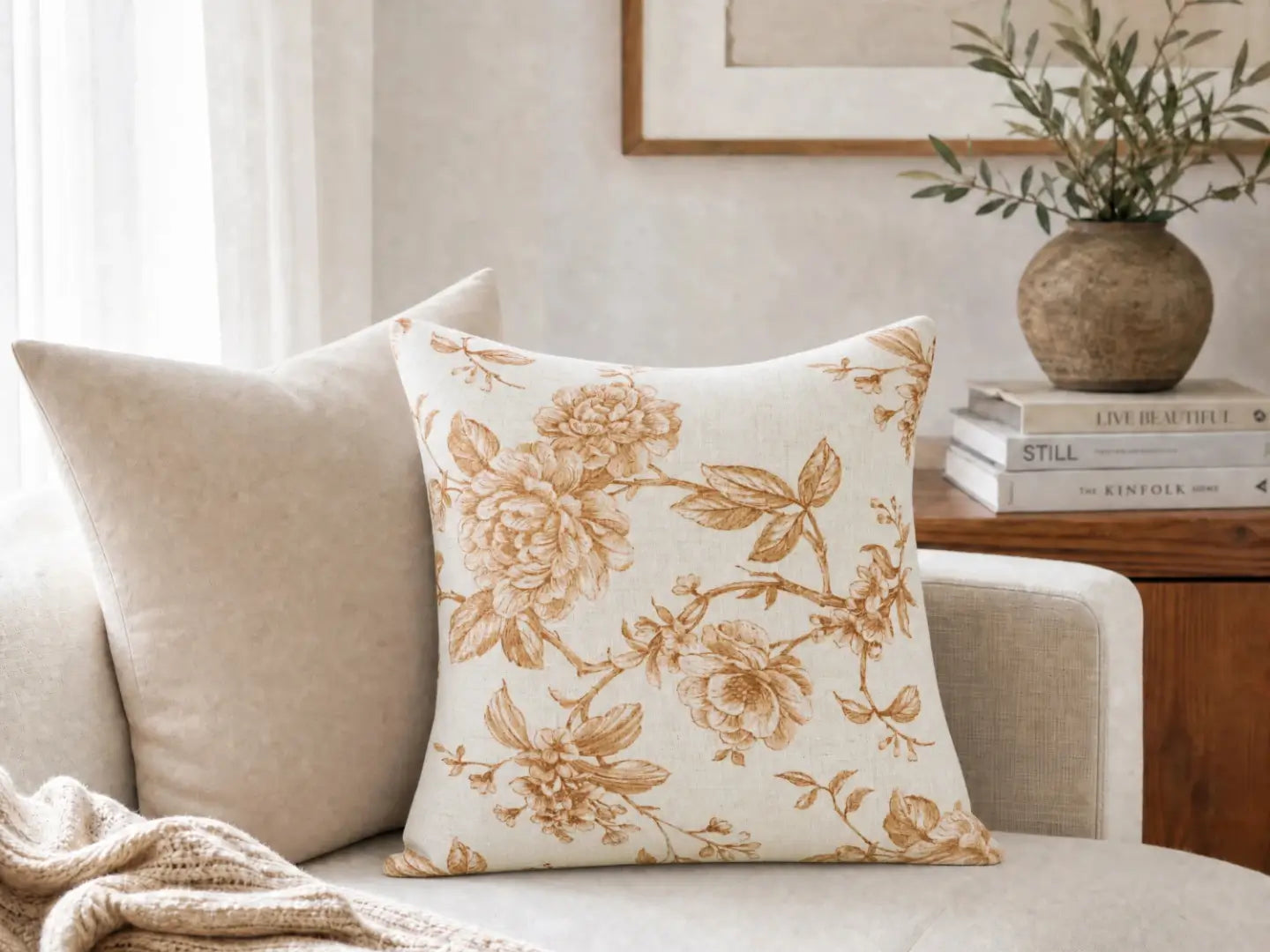
Organic cotton can be dyed naturally into soft, warm tones.
-
Recycled polyester can be woven into rich velvets or blackout fabrics for a modern, luxe look.
Check Freshine’s curtain style guide for inspiration on mixing fabric textures.
Longevity: Buy Fewer, Better
One of the greenest choices is buying quality so you buy less. Cheap curtains often wear out or fade quickly, forcing you to replace them and send the old ones to landfill.
Here’s how to extend curtain life:
-
Choose lined curtains to prevent sun fading.
-
Install tiebacks or holdbacks to reduce pulling stress.
-
Rotate panels every 6 months so wear is even.
-
Follow proper cleaning and care practices.
High-quality curtains can last 10–15 years or more — cutting waste and saving money long-term.
End-of-Life: Recycling and Upcycling Ideas
Even sustainable curtains eventually wear out. Instead of tossing them:
-
Repurpose them as drop cloths, pillow covers, tote bags, or kids’ fort fabric.
-
Donate still-usable panels to local shelters or thrift stores.
-
Recycle textiles — many cities and retailers offer textile recycling programs (EPA Textile Recycling Basics).
Circular thinking — reusing or recycling instead of discarding — is a key principle of sustainable living.
Common Myths About Eco-Friendly Curtains
Myth: They’re more expensive.
Truth: While the upfront cost may be higher, they last much longer and lower energy bills, saving money over time.
Myth: They’re harder to find.
Truth: Many brands, including Freshine, now offer dedicated sustainable collections.
Myth: They don’t look good.
Truth: Natural fibers like linen and hemp are trending in interior design for their texture and timeless elegance.
FAQ
Q: How do I know if a curtain is truly sustainable?
A: Look for certifications like GOTS, OEKO-TEX, and FSC, and check for organic or recycled content on product labels.
Q: Can eco-friendly curtains block light?
A: Yes. Many eco fabrics can be lined with blackout or thermal layers made from recycled materials.
Q: Are sustainable curtains machine washable?
A: Most organic cotton and linen curtains are, but always check the care label first.
Q: Will eco-friendly curtains save me money?
A: Yes — they often last longer and reduce your energy bills through better insulation.
Q: Are bamboo curtains safe?
A: Yes, as long as they’re mechanically processed bamboo and not chemically converted rayon.