




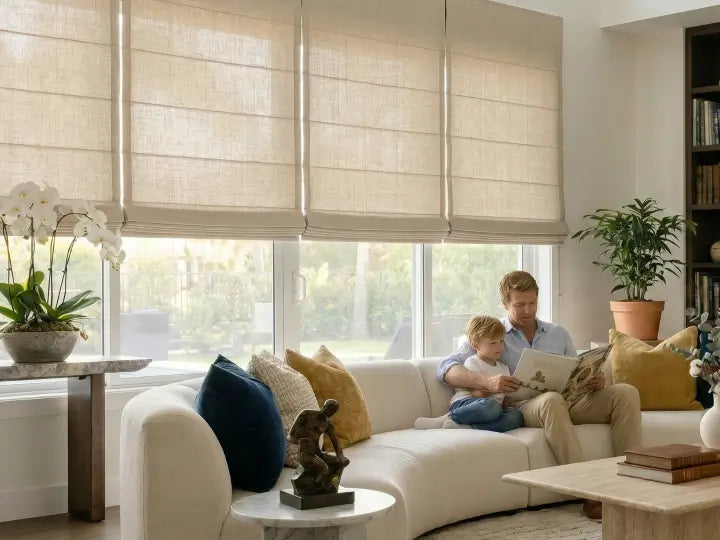

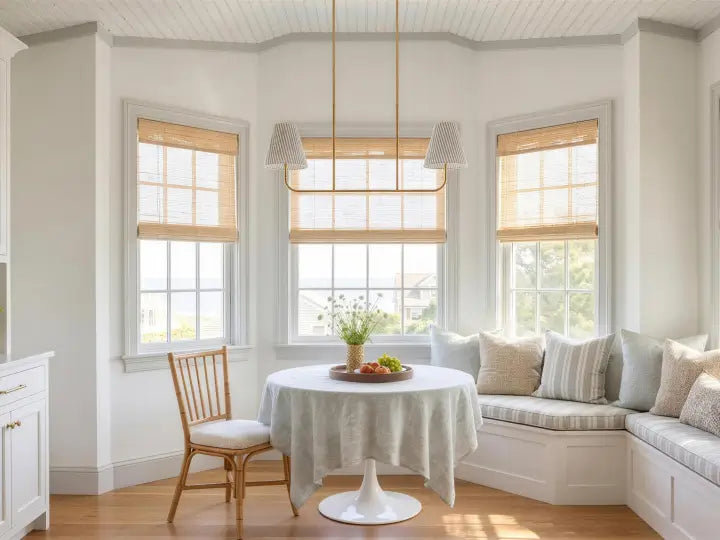

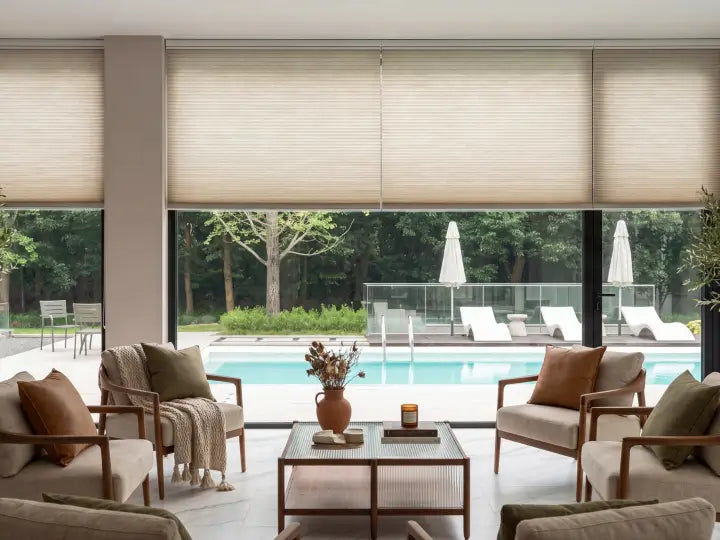

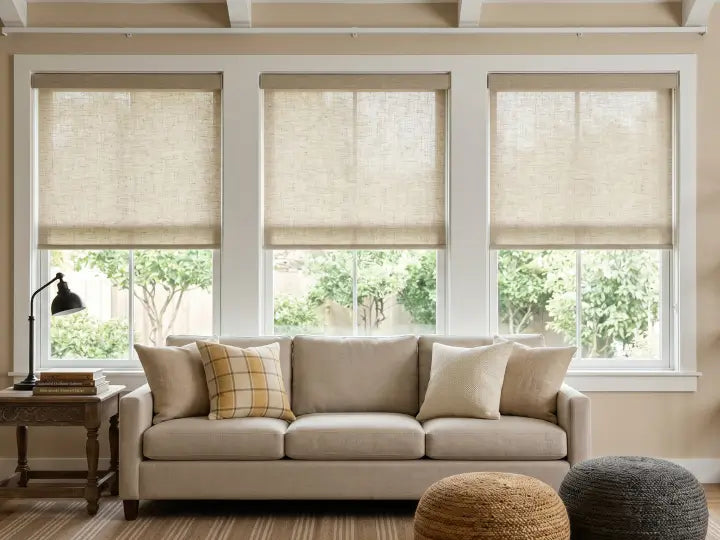










How to Choose Curtains: The Six Decisions, in the Right Order
Almost every curtain someone regrets was chosen in the wrong order. They fell for a fabric, then discovered it would not block light; or bought a width off a shelf, then found it covered half the glass when open. The decisions have a sequence, and following it removes most of the ways this goes wrong.
The short answer
Decide in this order: 1. what job the curtain has to do → 2. length → 3. width and mounting position → 4. fabric and opacity → 5. heading style → 6. hardware. Each decision narrows the next one. Choosing fabric first — which is what almost everyone does — is what causes the expensive mistakes.
In this guide
- 1. What job does it have to do?
- 2. Length
- 3. Width and where the rod goes
- 4. Fabric and opacity
- 5. Heading style
- 6. Hardware
- The four mistakes this order prevents
- FAQ
1. What job does it have to do?
Write down the actual problem before you look at a single swatch. Nearly every window has one dominant job and at most one secondary one:
- Darkness — sleep, shift work, a nursery, a media room.
- Privacy — a ground-floor room, a street-facing window, a bathroom.
- Glare and fading — a screen you cannot see, a rug or sofa bleaching out.
- Warmth or heat — a cold room in winter, a west-facing room that bakes.
- Looks only — the window is fine; it just needs softening.
This is the decision that eliminates the most options, which is exactly why it goes first. A window whose job is "looks only" can take a sheer linen that would be useless in a bedroom. A window that needs genuine darkness rules out at least half the catalogue before you start.
If the window has two jobs — daytime privacy and night-time darkness, most often — you are not choosing one curtain, you are layering two, and that changes the hardware decision at step six. Decide it now, not later.
2. Length
Length before fabric, because length is dictated by the room rather than by taste, and because it determines how much fabric you are buying.
There are really only three defensible answers:
- Sill or apron length. For windows with a radiator, a deep sill, a counter, or a run of furniture underneath. Practical, and it is the one place where short is not a compromise.
- Floor length, just kissing. The default for almost everything else. Aim for the hem to brush the floor without gathering.
- Puddled. A deliberate extra few inches pooled on the floor. Beautiful in a formal room, a nuisance anywhere with pets, small children, or a vacuum.
What to avoid is the accidental in-between — a hem hovering an inch or two above the floor, which reads as a mistake rather than a choice. The trade-offs between the three are worked through in do curtains need to puddle.

3. Width and where the rod goes
This is the step most often skipped, and the one that does the most visible damage.
Two separate numbers are involved:
- Rod width. Extend the rod well past the window on each side so the open panels park on the wall rather than on the glass. This is what makes a window look larger and a room brighter, and it costs nothing but a longer rod.
- Fabric width (fullness). The total panel width relative to the rod. Around 1.5x is the economical minimum; 2x is the tailored look. Under 1.5x the curtain hangs flat and reads cheap no matter what it cost. The comparison is set out in 1.5x versus 2x fullness.
Height matters here too: mounting the rod above the window frame rather than on it lifts the apparent ceiling. For the exact arithmetic — and the panel-count question on anything wide — see curtains for wide windows and how to measure for custom curtains.

4. Fabric and opacity
Now — and only now — fabric, because steps one to three have already ruled out most of it.
Two properties matter more than the fibre name:
- Opacity. Sheer, light-filtering, room-darkening, or 100% blackout. These are different products, not different intensities of the same one, and the two numbers people confuse are explained in light filtering versus blackout.
- Weight. Heavier fabric hangs in deeper, more regular folds and stays where you put it. Lighter fabric moves and glows but creases and flutters. Weight, not fibre, is what makes a curtain look expensive.
Then the fibre, which mostly decides texture and maintenance: linen for relaxed texture that will crease, cotton for a crisp mid-point, polyester blends for durability and washability, velvet for weight and light absorption. Our fabric guide covers the performance profiles.
One practical note on colour: dark panels absorb light and read heavier; light panels reflect and recede. In a small or dim room that difference is larger than people expect — see light versus dark curtains in small spaces.
5. Heading style
The heading is how the panel attaches at the top, and it sets the formality of the whole window:
- Pinch pleat — tailored and structured. The formal answer. Covered in our pinch pleat guide.
- Grommet — wide soft columns, casual by construction, and the heading that shows off a good rod. Whether it still reads current is answered in our grommet verdict.
- Ripple fold — a continuous modern wave, but it is a hardware system rather than a sewing choice, so it constrains step six.
- Rod pocket — cheapest and least practical: the panel is difficult to draw, so it suits curtains that stay put.
Heading comes after fabric because heavy fabrics suit structured headings and light ones do not hold a pleat.
6. Hardware
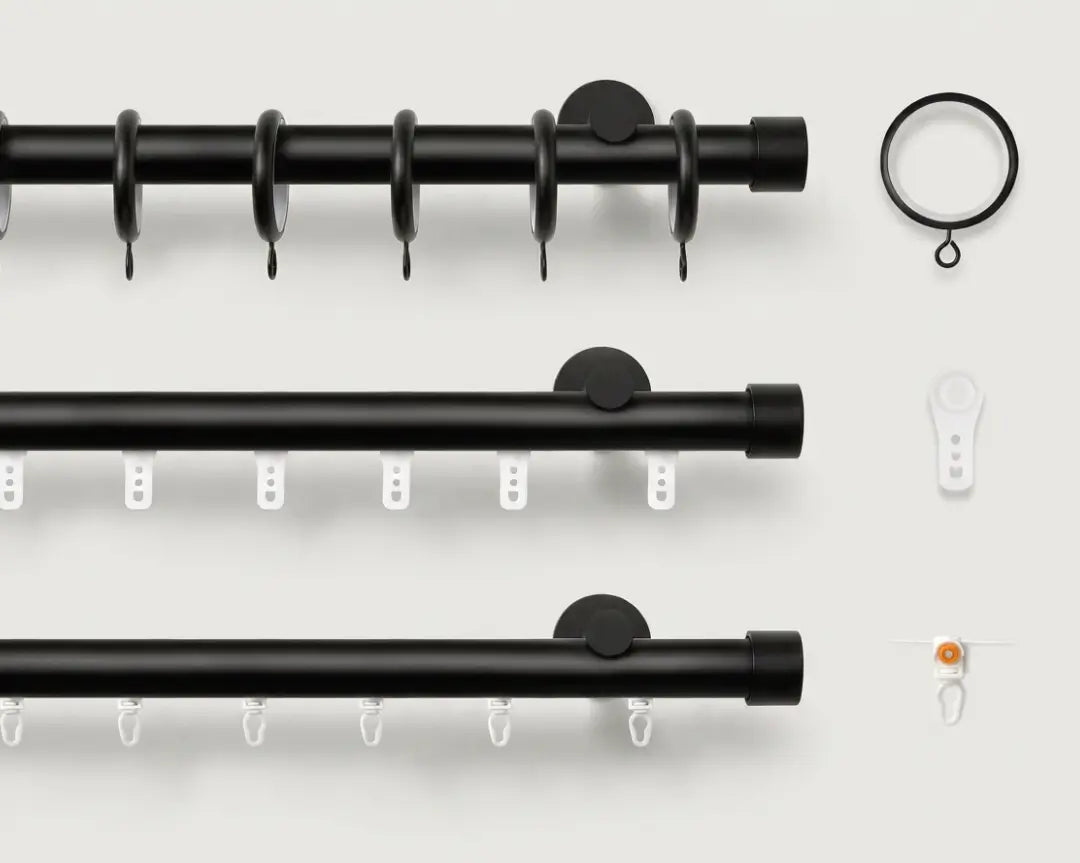
Last, because everything above constrains it. Weight determines how stout the rod must be; heading determines whether you need a pole, a track, or a double; and layering from step one determines whether you need two channels rather than one. If you want motorisation now or later, decide it here — rods versus tracks is the fork in the road, and it is much harder to reverse than a fabric choice.
The four mistakes this order prevents
| Mistake | Which step would have caught it |
|---|---|
| Beautiful fabric that does not darken the room | Step 1 — the job was darkness, not looks |
| Panels that cover the glass when open | Step 3 — the rod was not extended past the frame |
| Curtains that hang flat and look cheap | Step 3 — fullness below 1.5x |
| A rod that sags under the panels | Step 6 — hardware chosen before the fabric weight was known |
More of the classics, and how to fix them after the fact, are in the seven biggest curtain mistakes.
FAQ
How do you choose curtains?
Work through six decisions in order: what job the curtain has to do, then length, then width and mounting position, then fabric and opacity, then heading style, then hardware. Each decision narrows the next. Most curtain regret comes from starting with fabric — which is the fourth decision, not the first — because by then you have already fallen for something that may not do the job the window needs.
What should you decide first when choosing curtains?
The job. Darkness, privacy, glare, warmth, or looks alone — name the dominant problem before you look at a swatch. This eliminates more options than any other decision: a window that needs genuine darkness rules out half the catalogue immediately, while a purely decorative window can take a sheer that would be useless in a bedroom.
How wide should curtains be?
Two numbers. The rod should extend well past the window on both sides so the open panels stack on wall rather than glass. The fabric should total roughly 1.5x the rod width as an economical minimum, or 2x for a tailored look. Below 1.5x the panel hangs flat and looks cheap regardless of what the fabric cost.
What length should curtains be?
Three defensible answers: sill or apron length where a radiator, deep sill, or furniture sits underneath; floor length just brushing the floor, which is the default for most rooms; or deliberately puddled for a formal look, which is a nuisance with pets or children. Avoid the accidental in-between — a hem hovering an inch above the floor reads as an error rather than a choice.
Should you choose fabric or hardware first?
Fabric first, hardware last. The fabric's weight determines how stout the rod has to be, and the heading style determines whether you need a pole, a track, or a double rod. Choosing hardware first is how people end up with a rod that sags under panels heavier than it was rated for.
How do you choose curtains for a whole house?
Run the six decisions per window rather than per house, because the job changes room by room — a bedroom needs darkness, a living room usually needs glare control, a bathroom needs privacy. Keep continuity through the things that do not affect function: a shared colour family, a consistent heading style, and the same length convention throughout.
Once you know the six answers
Everything we make is cut to your measurements, so steps two and three become an order form rather than a compromise. Start with linen curtains if the job is light and texture, blackout curtains if it is darkness, and the rods and tracks range once you know what the fabric weighs.
